Did you know that turkey vultures deffecate on their feet to cool off on hot days?
Turkey Vultures at a Glance
Key Features:
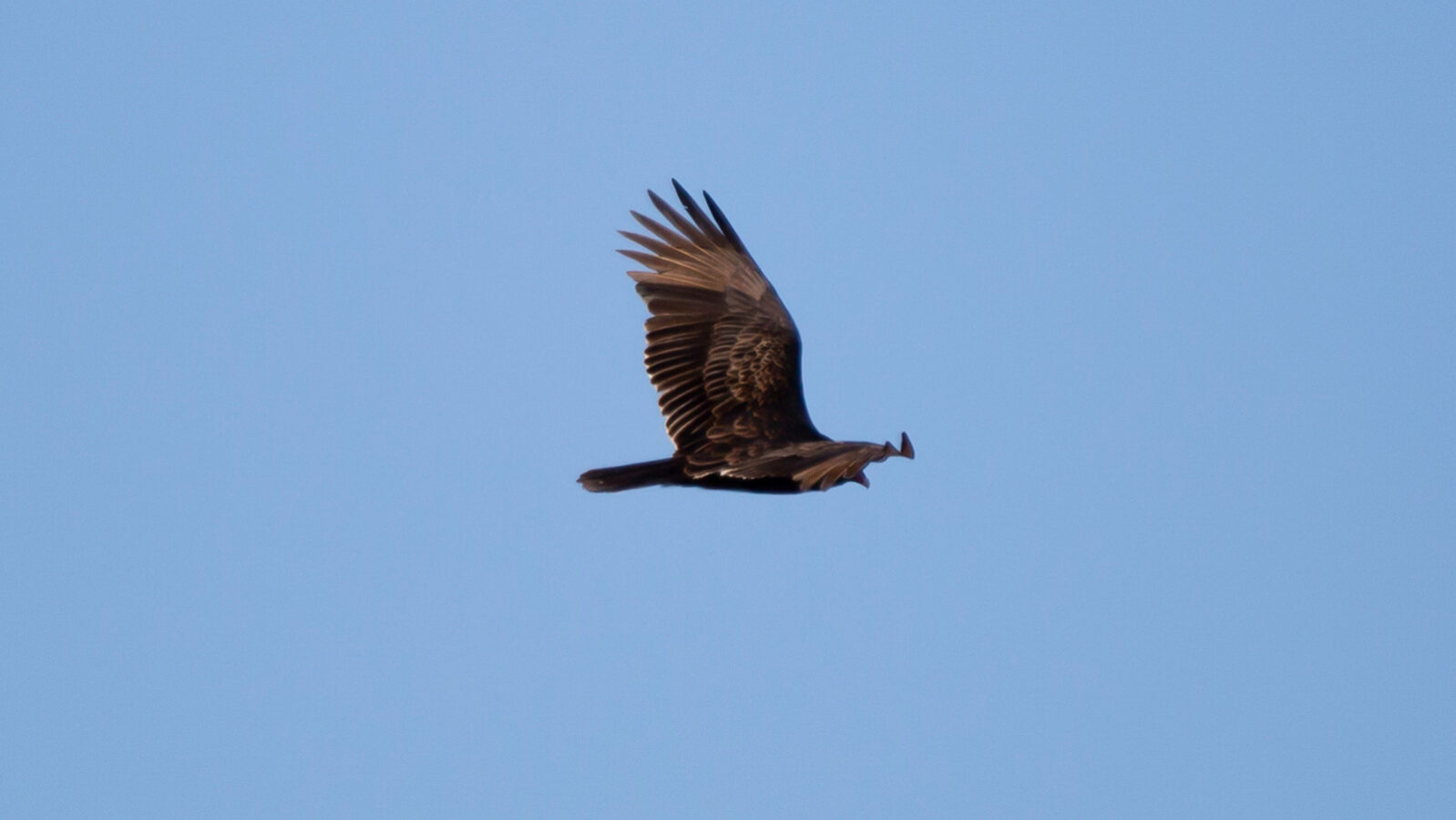
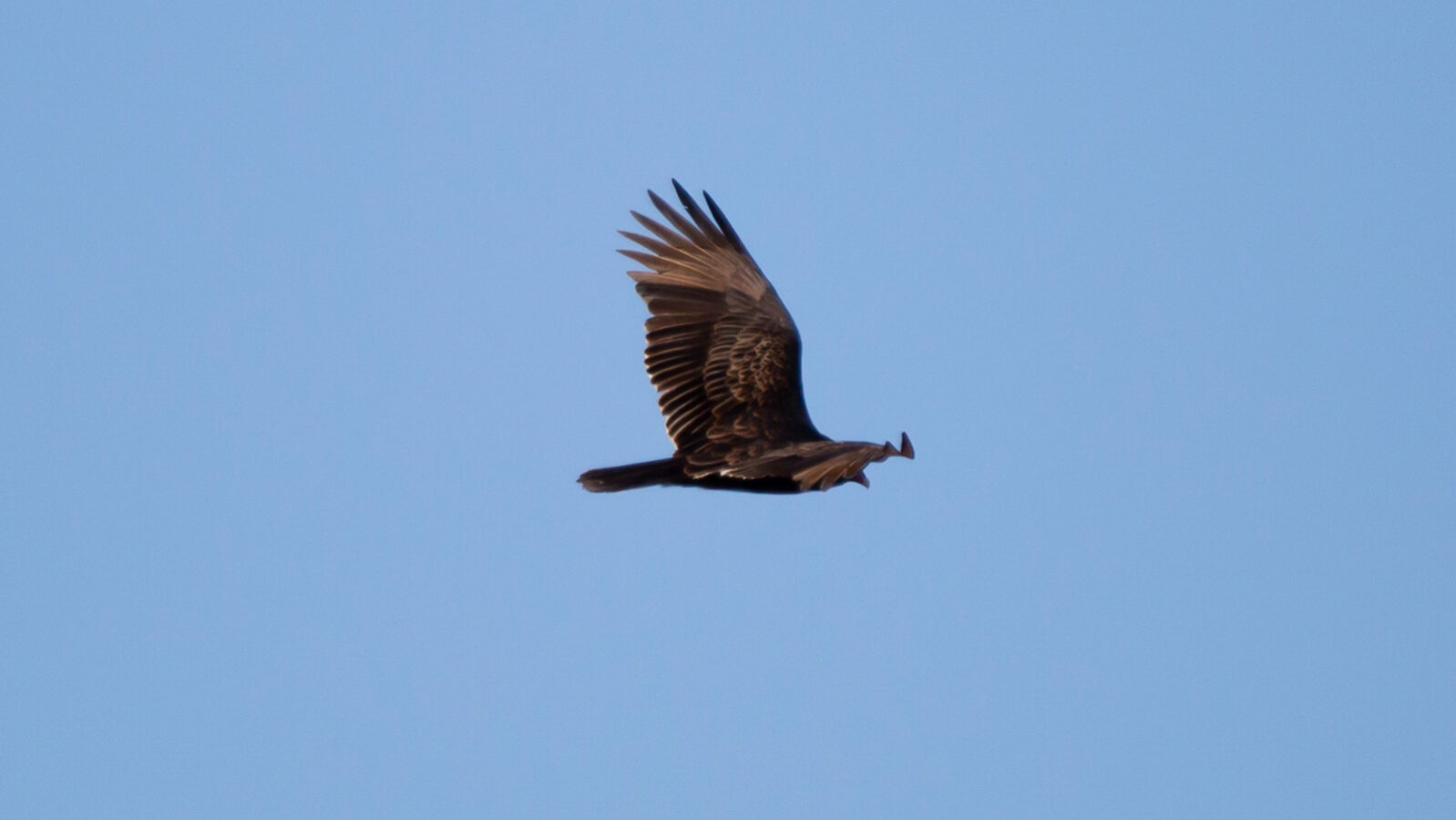
Turkey vultures are brown, can look black at a distance, with long wings, grey wingtips, grey tails, and red heads.
Least Concern - Population Stable
Habitat:
Forests, farmlands, suburbs
nesting habits:
Turkey vultures build nests In abandoned buildings, abandoned hawk or heron nests, burrows, caves, crevices, fallen trees, hollow logs, ledges, and thickets out of leaf litter, rotting wood, and soil.
seasons turkey vultures are active in our area:
All year
Diet:
Carrion
hunting Behavior:
Turkey vultures use their strong sense of smell to find carrion.
Commonly Confused With:
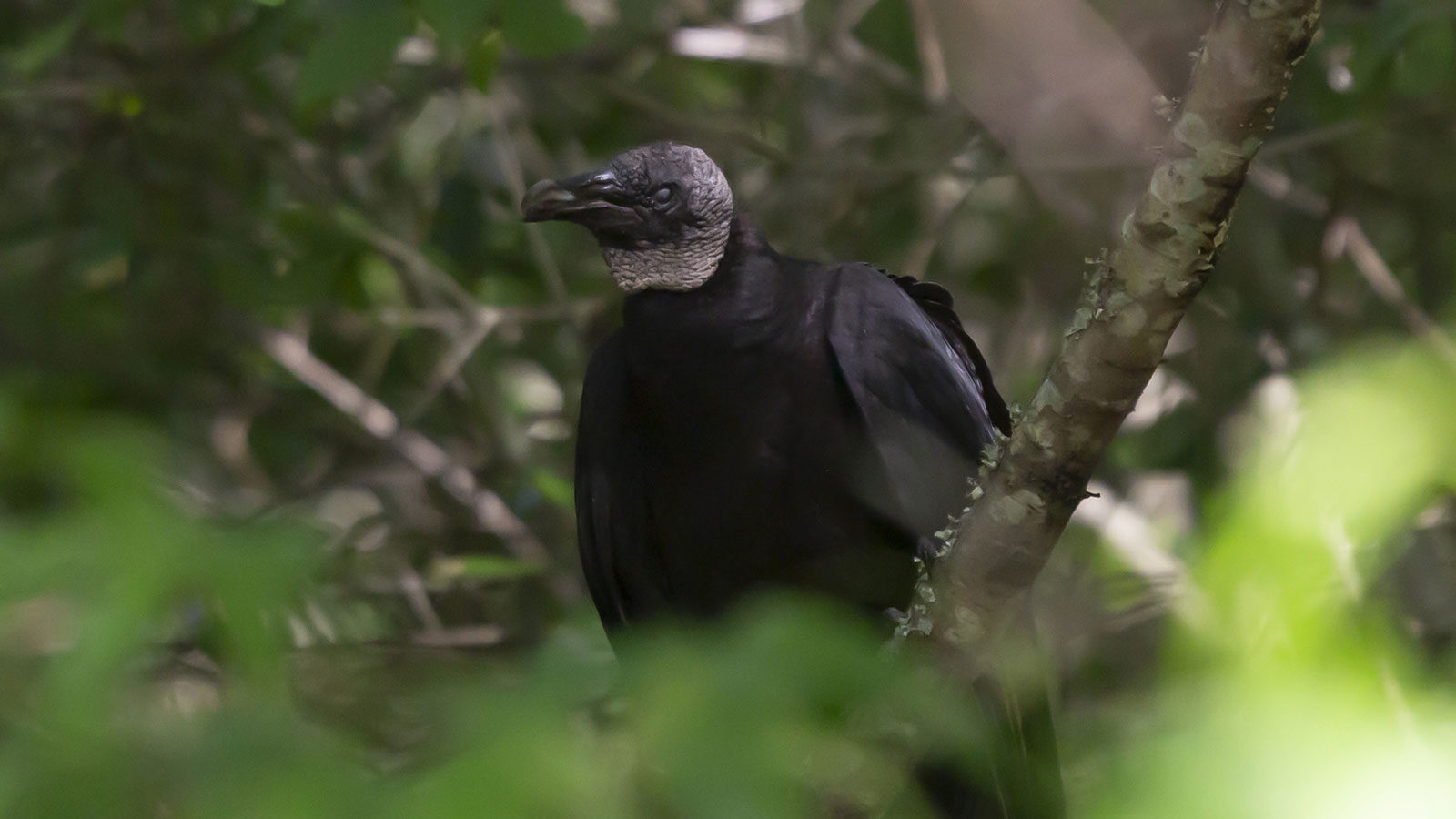
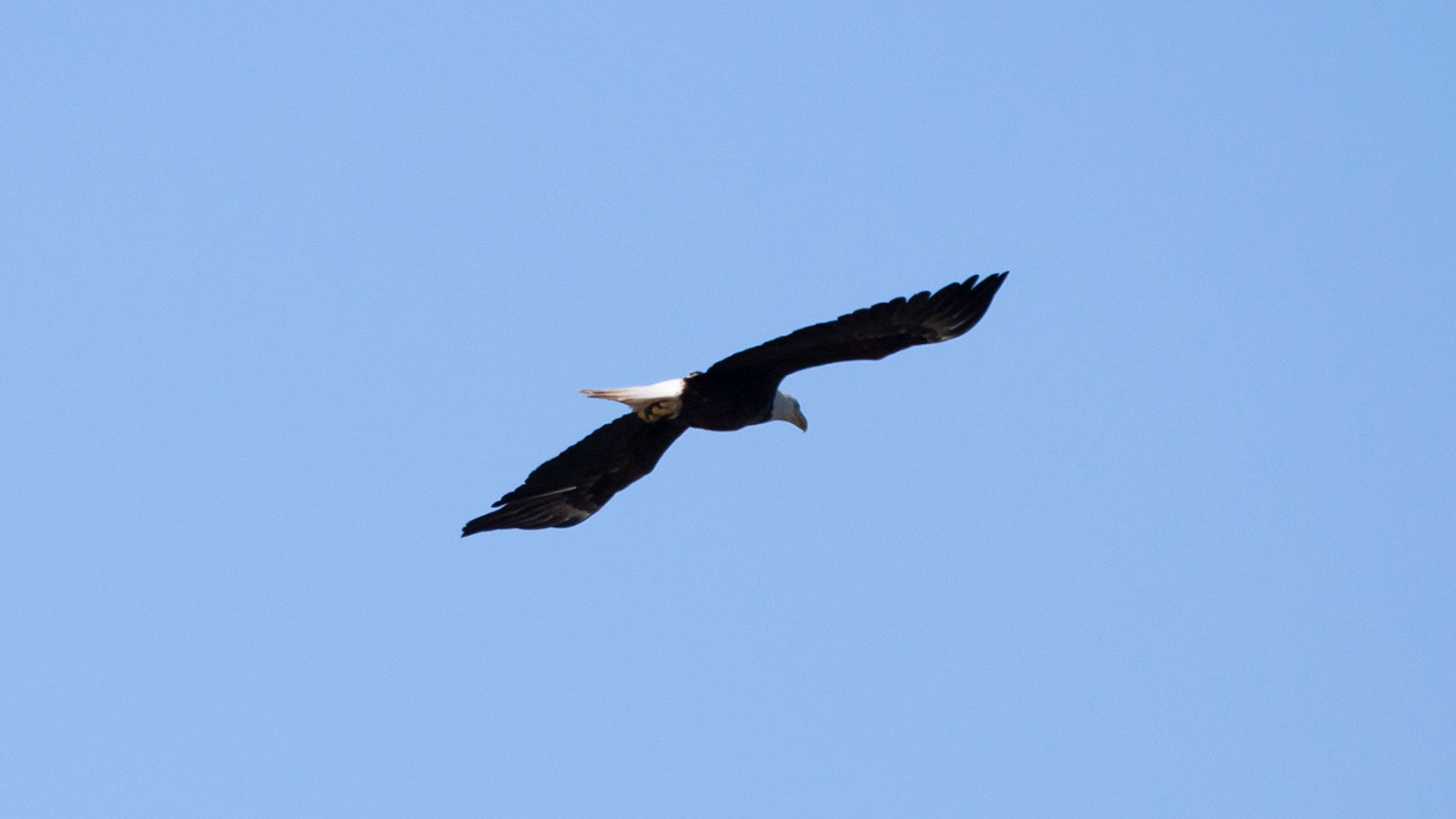
Bald Eagles, Black Vultures, and Golden Eagles
Turkey vultures are often confused with black vultures because of their dark coloration. Though they look black from a distance, turkey vultures are brown, have gray under their wings, and red heads.
Turkey vultures are often confused with bald eagles because both have dark brown plumage and hooked beaks. Turkey vultures do not have white heads.