Basic Info about the Refuge
The Black Bayou Lake National Wildlife Refuge in Louisiana is 5,300 acres of trails and waterways just north of Monroe.
The Black Bayou Lake NWR is a beautiful, easy-to-walk refuge. Because people spend so much time at the small refuge, the animals tend to get closer to people than they do at other refuges in the area, and this is where you’ll have your best chance of getting an opportunity to view wildlife up close.
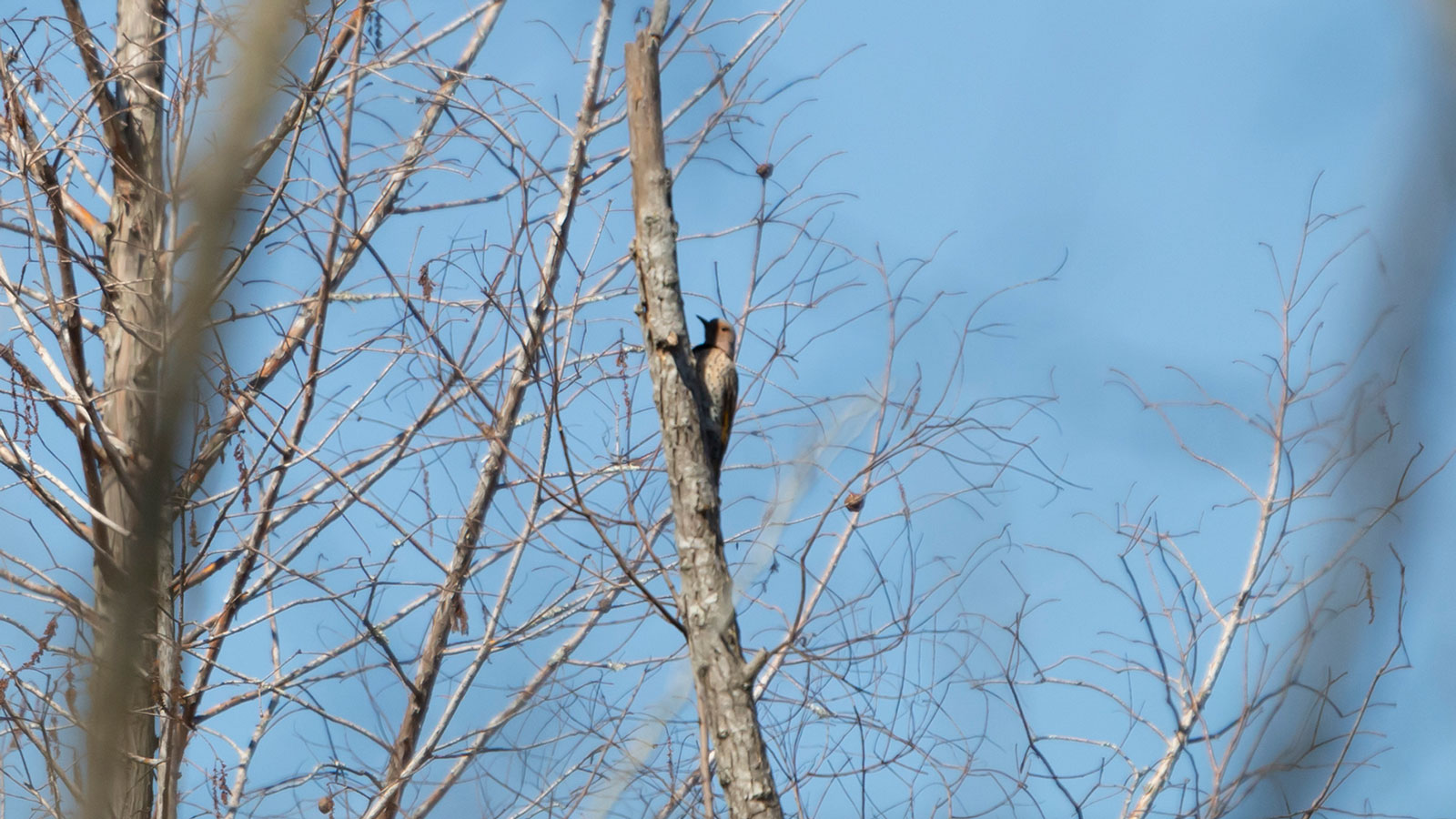
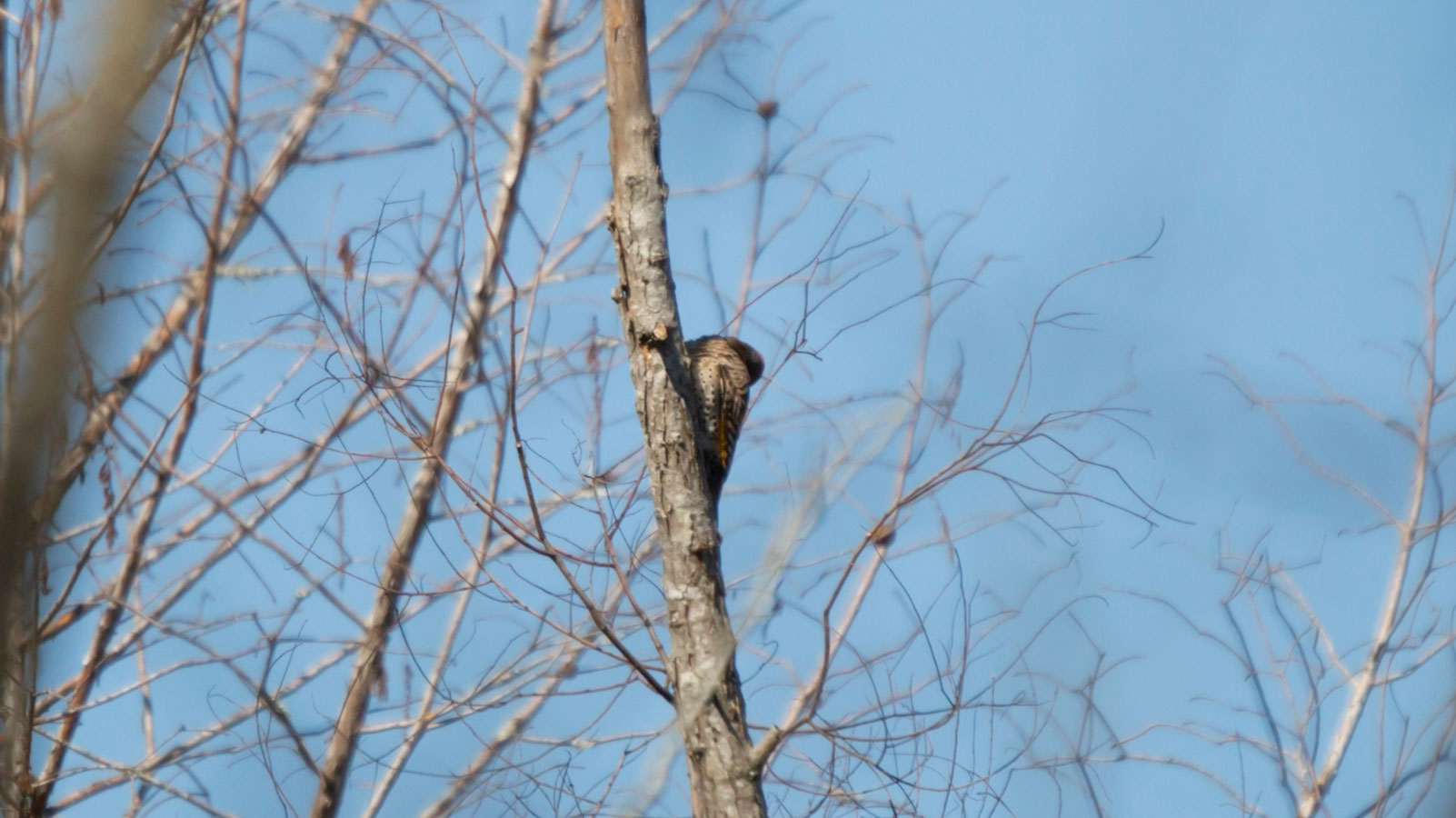
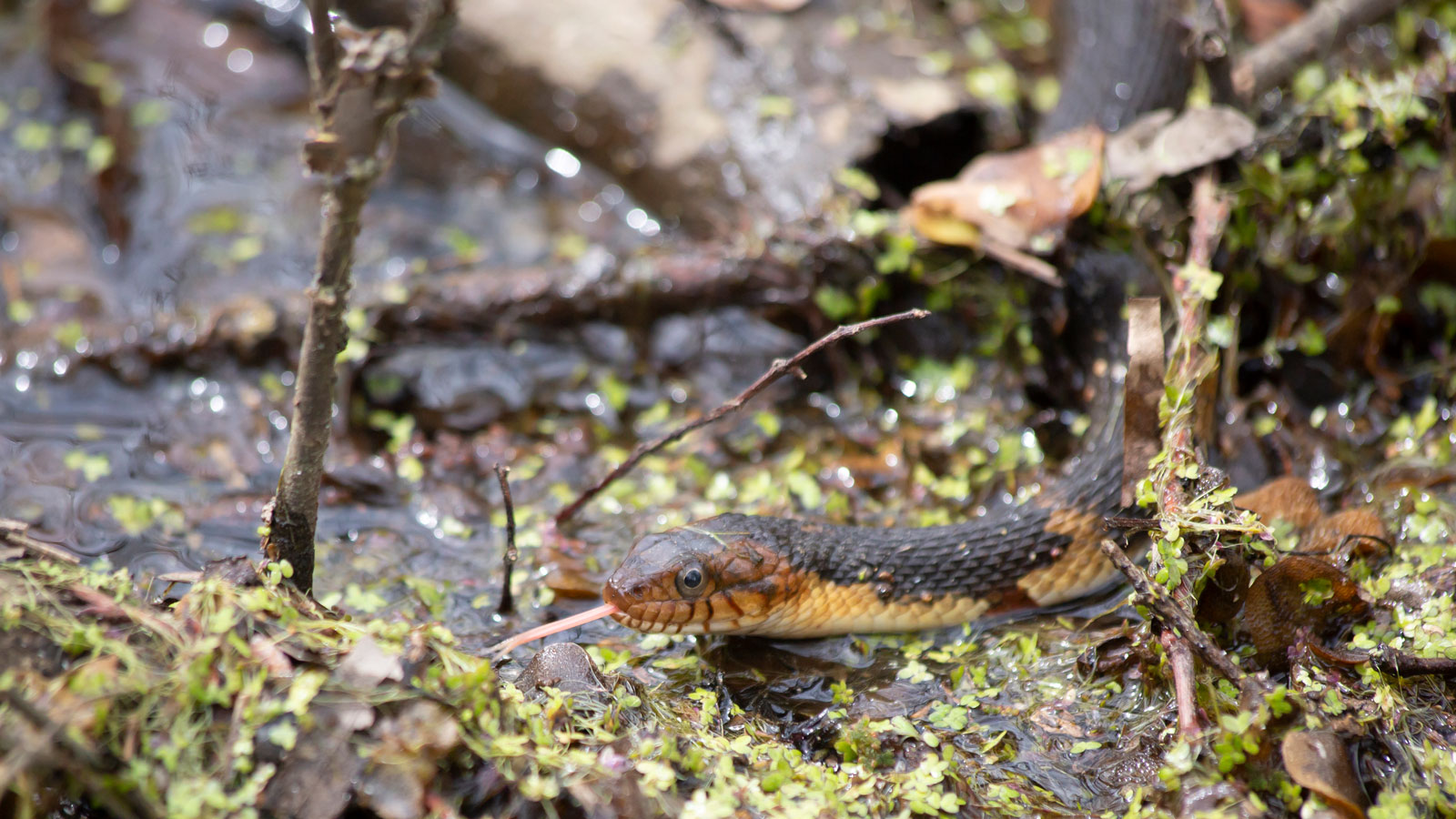
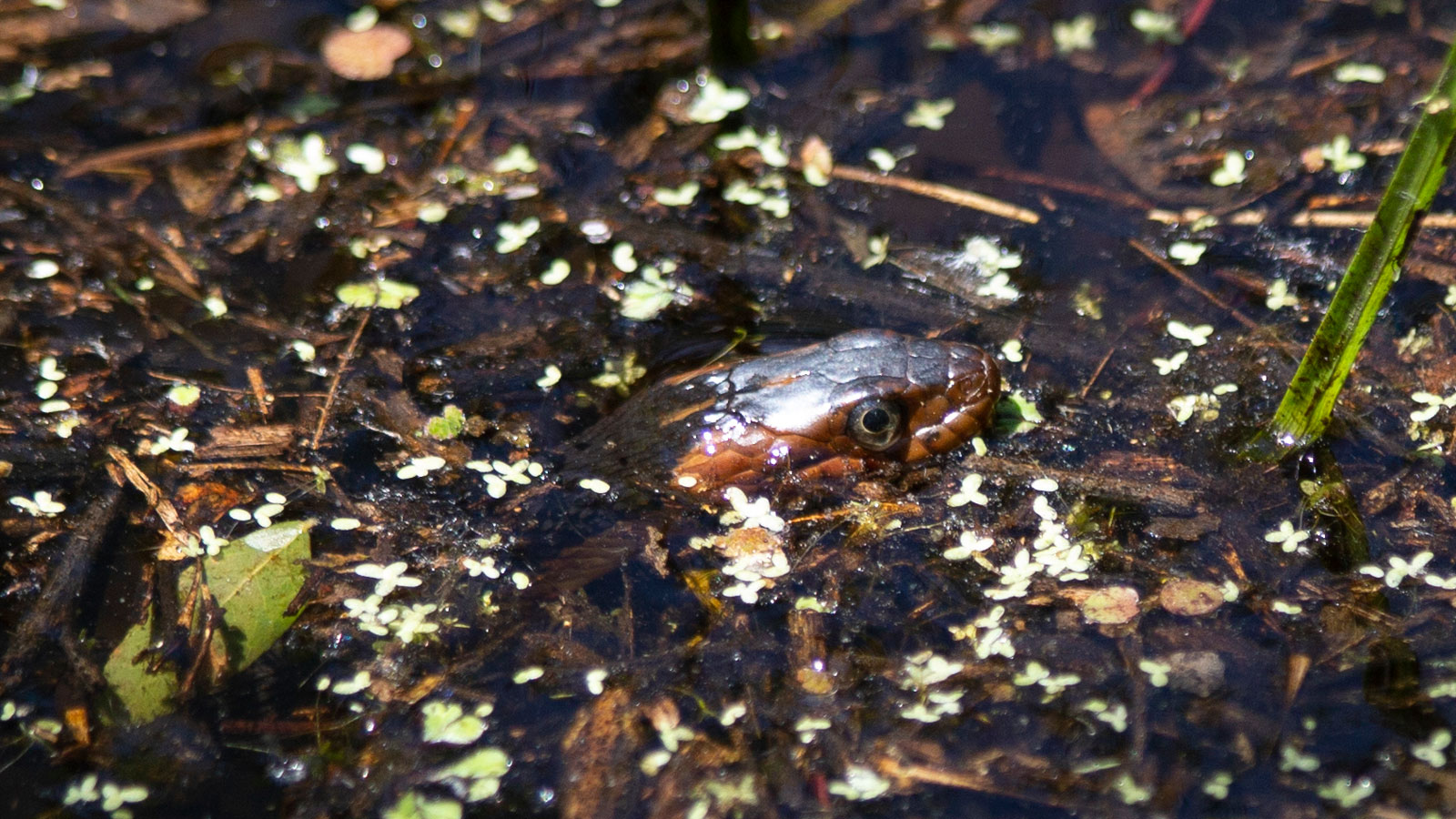
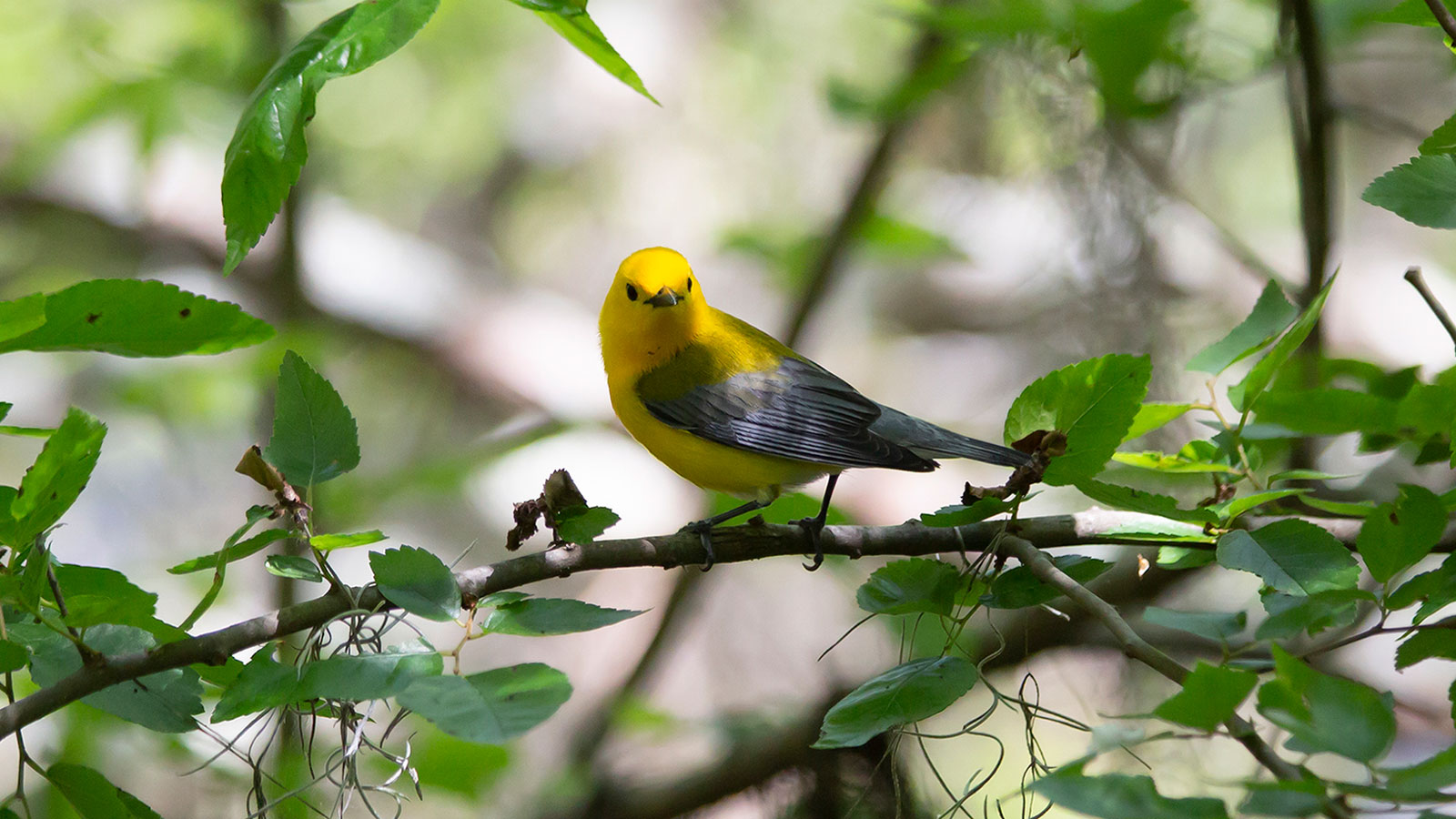
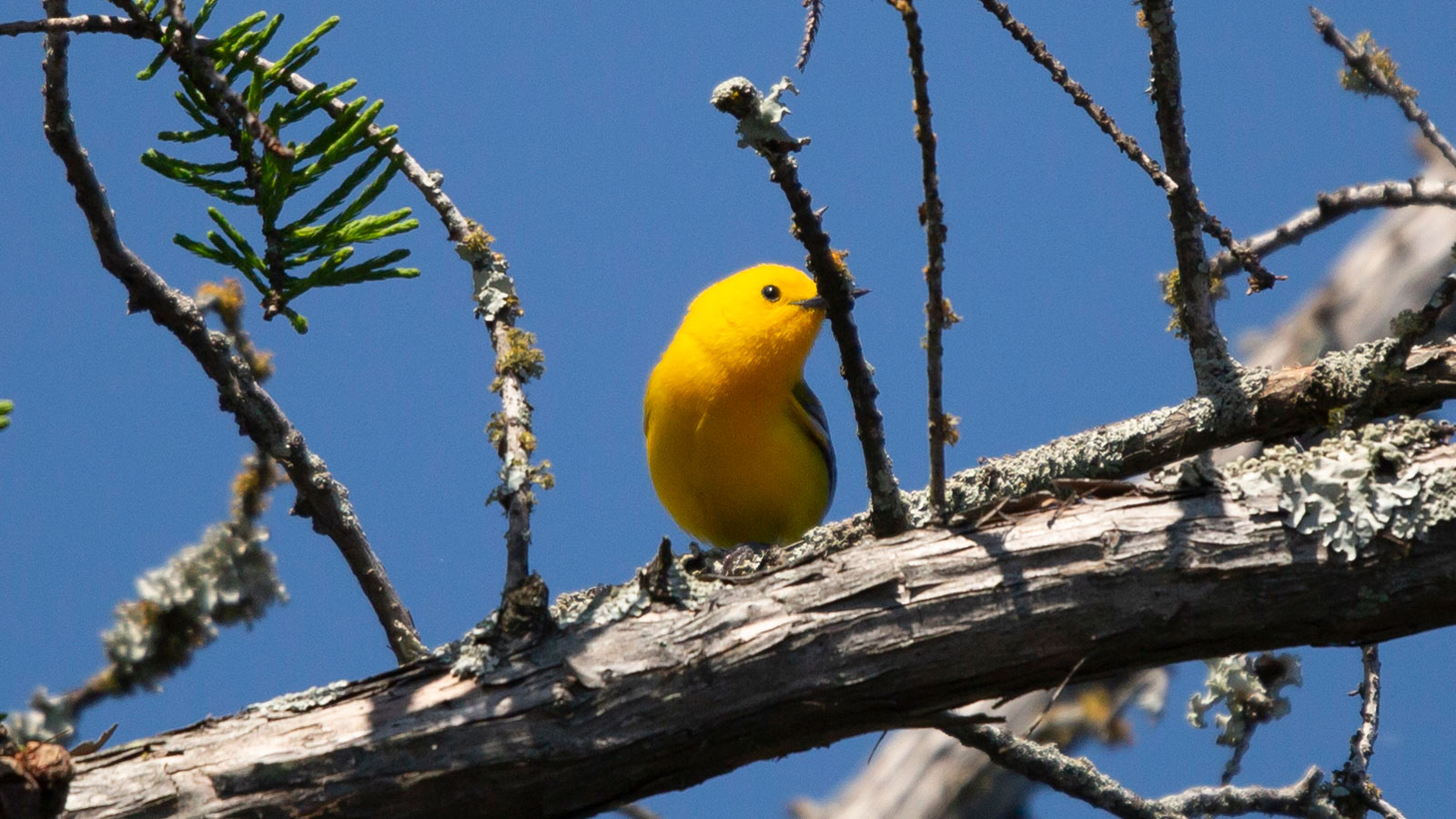
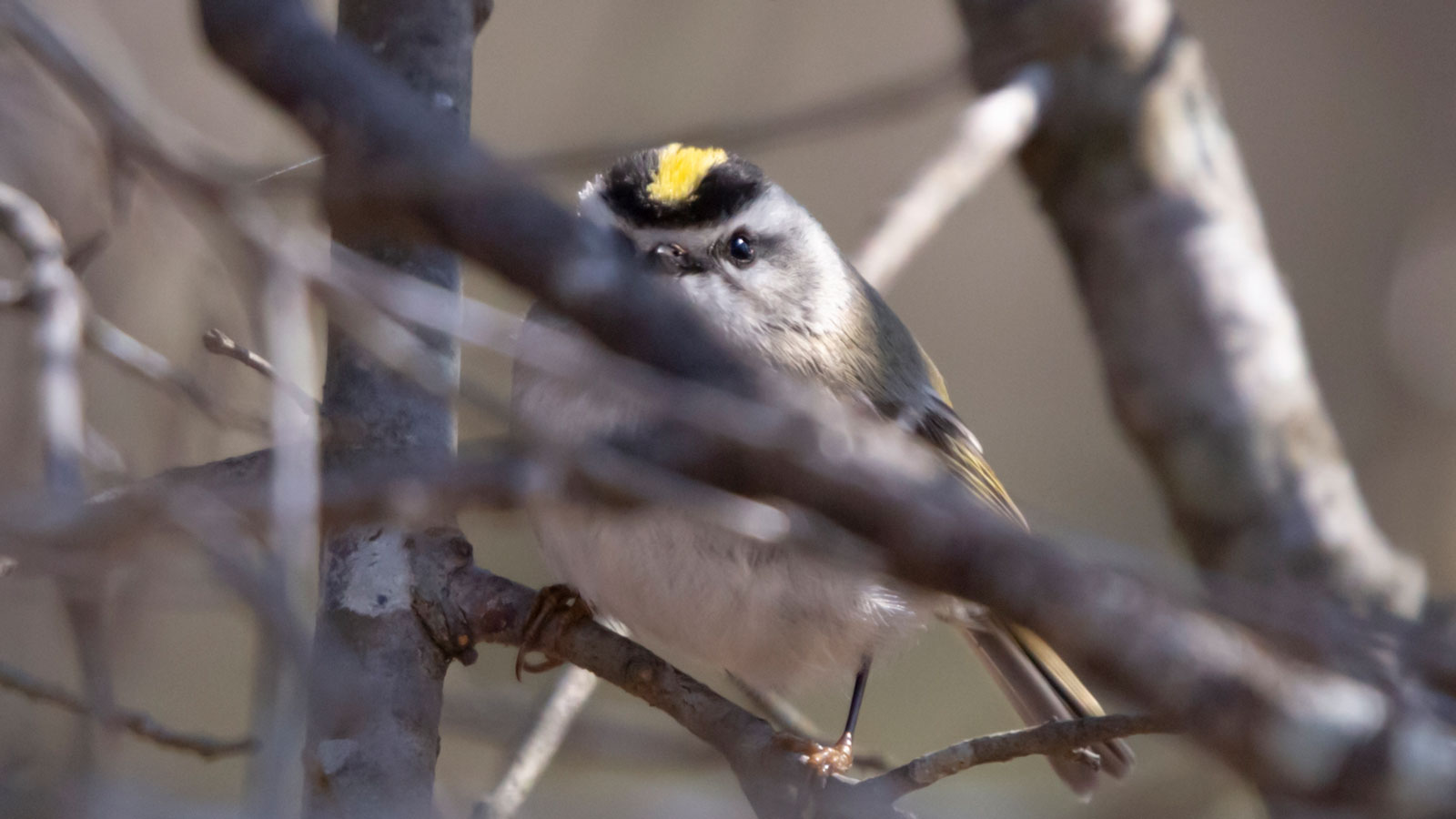
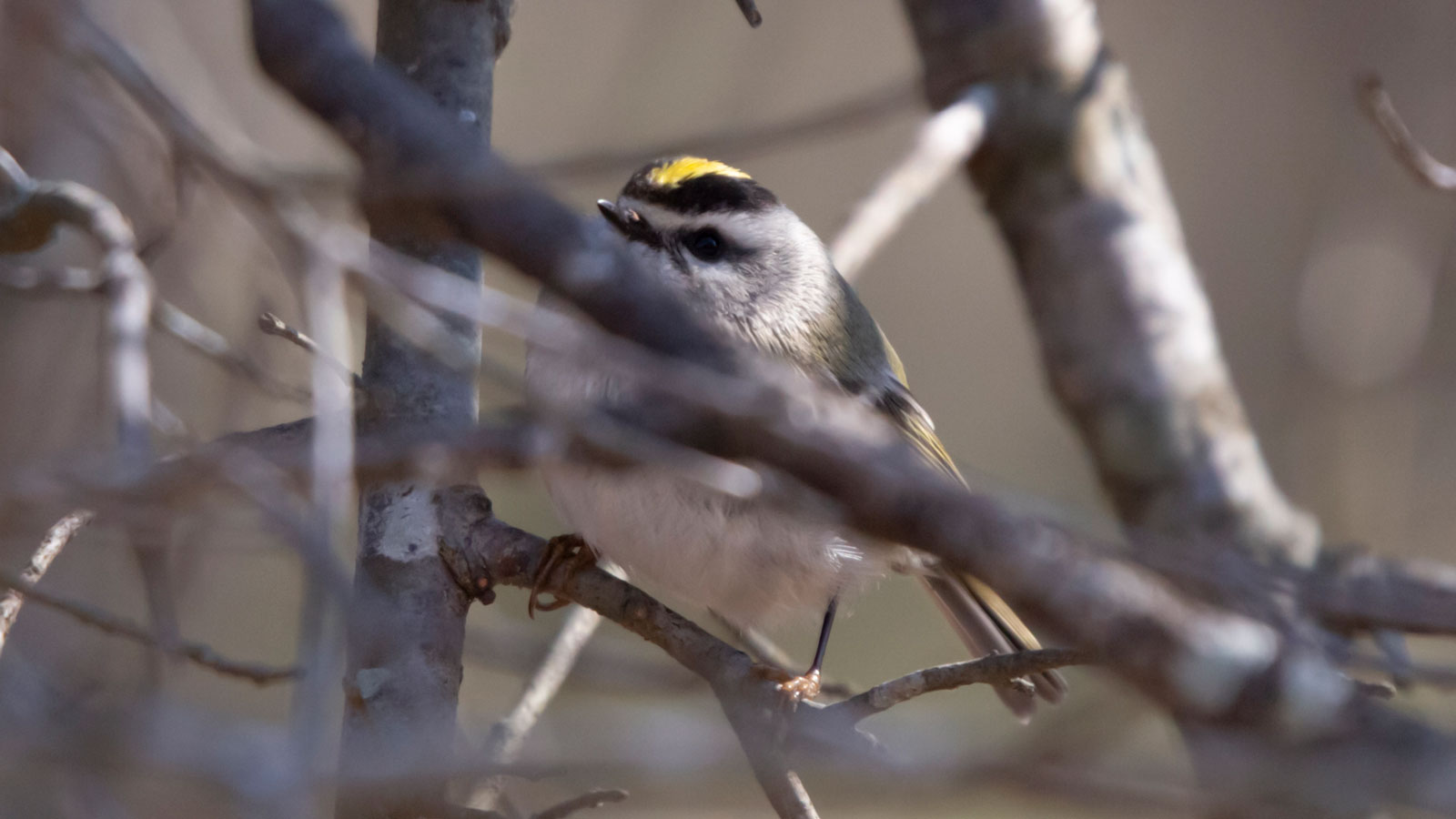
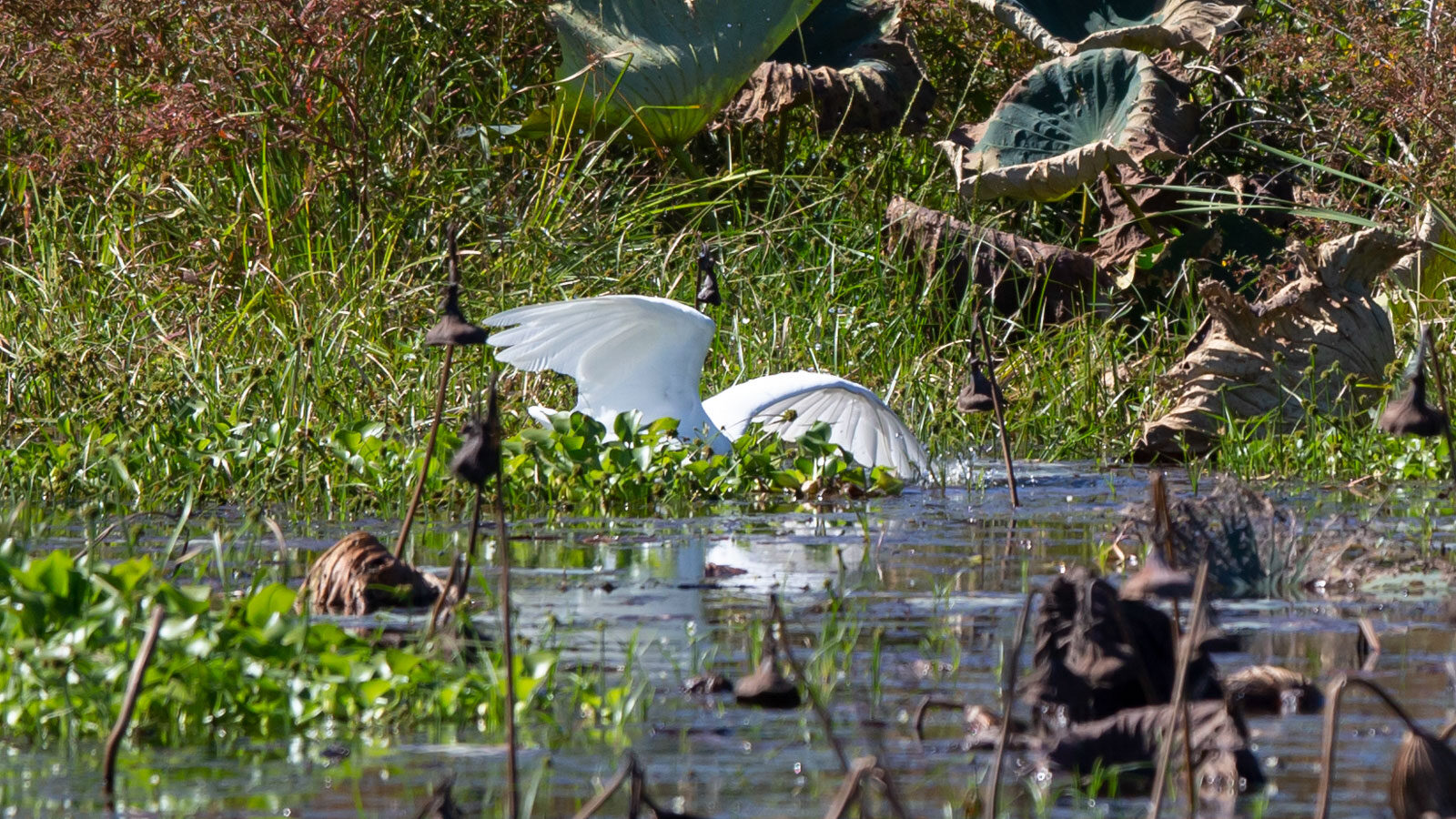
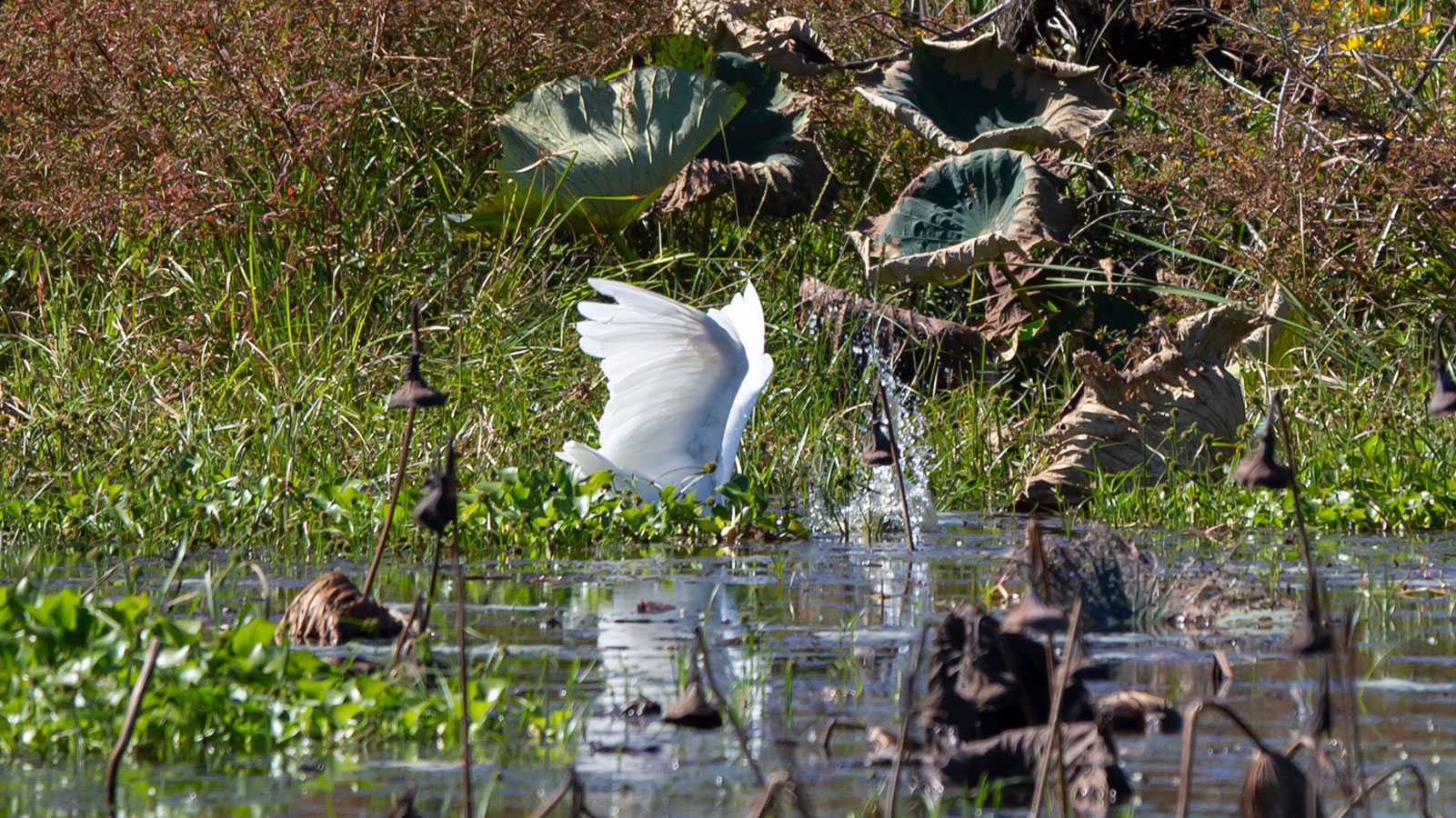
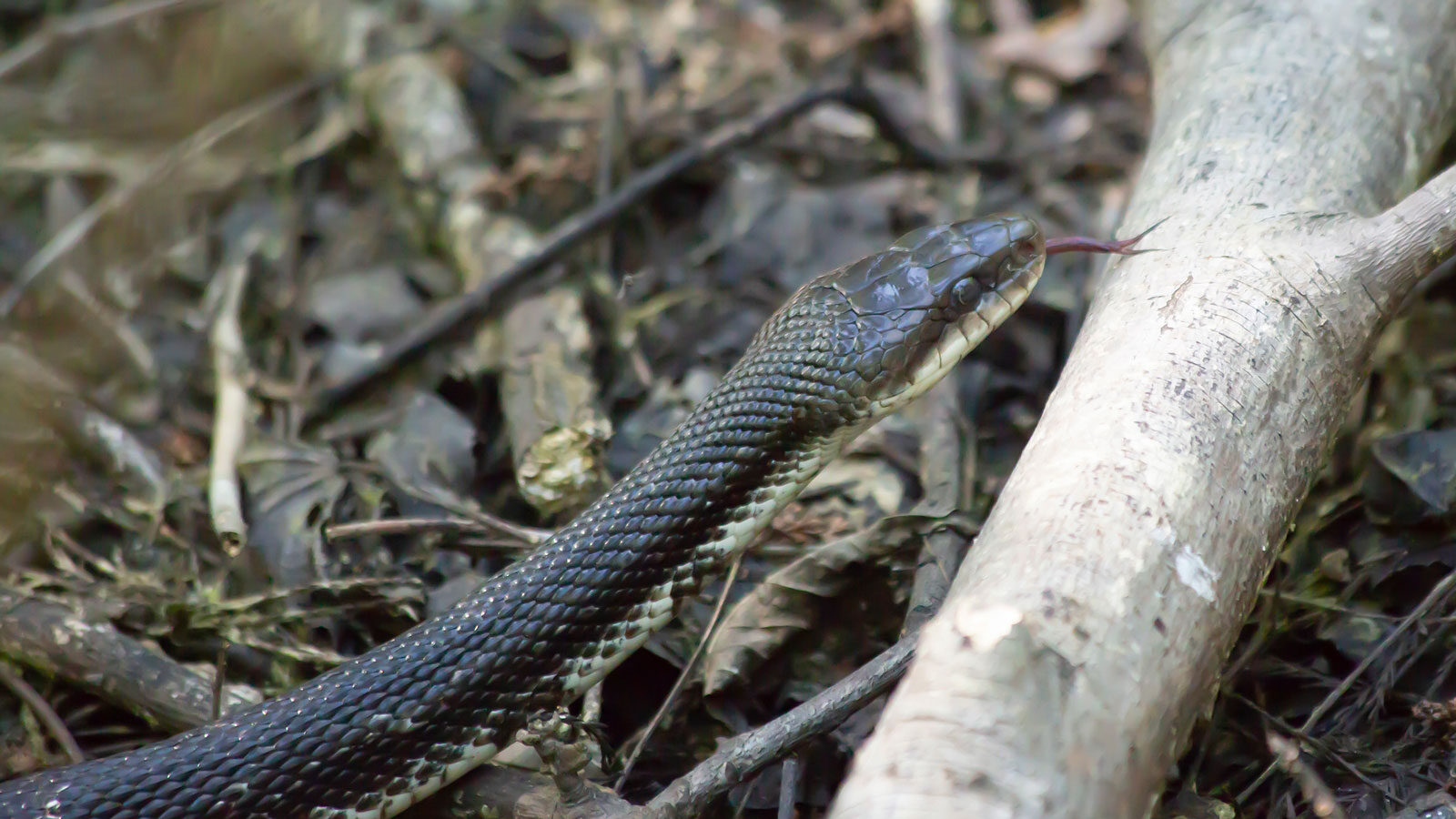
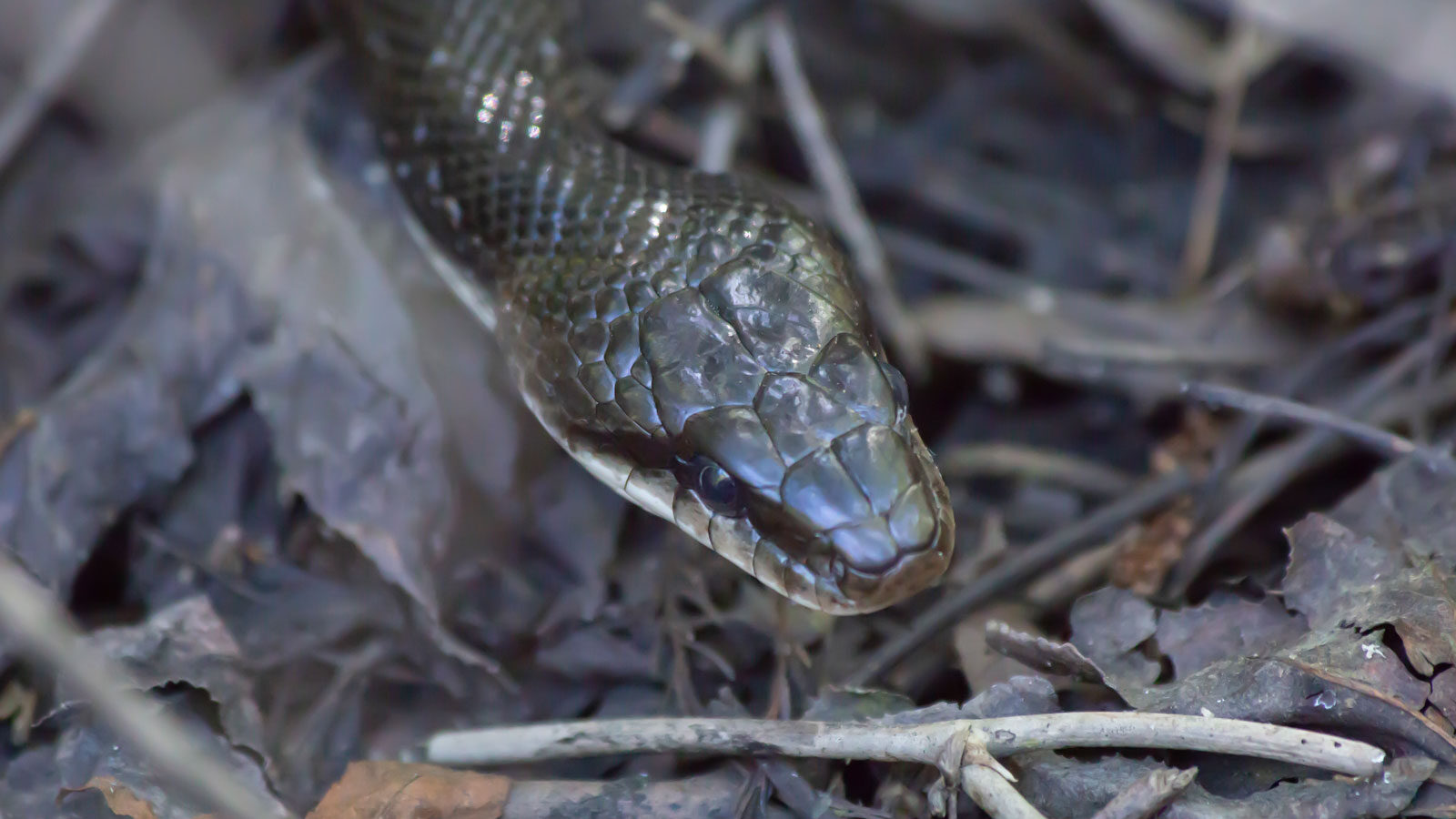
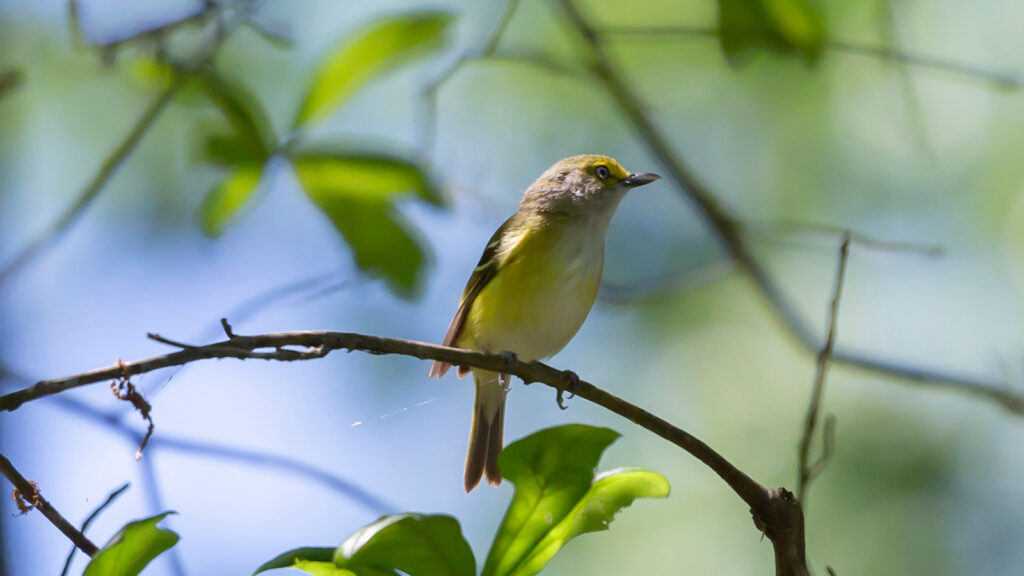
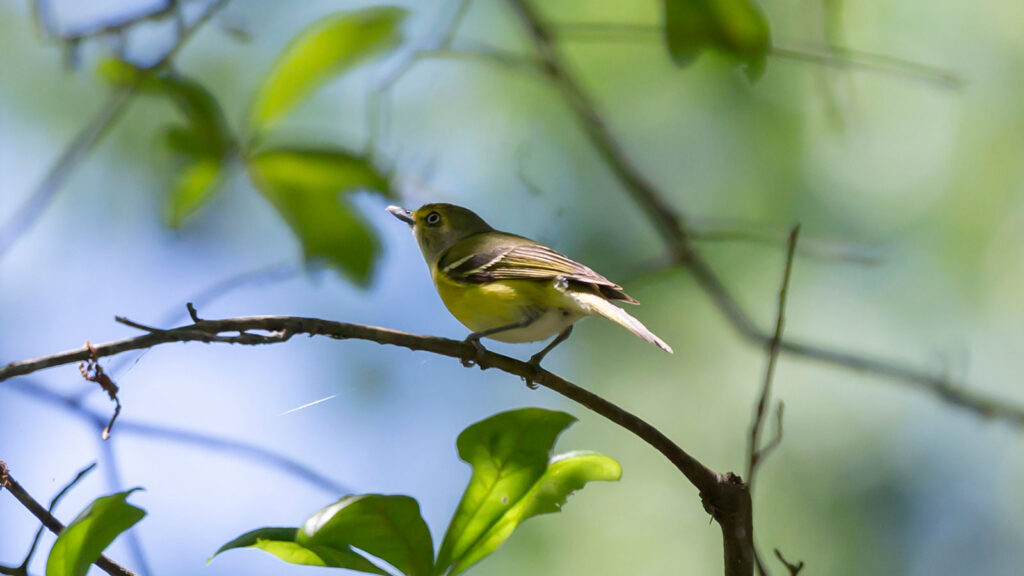
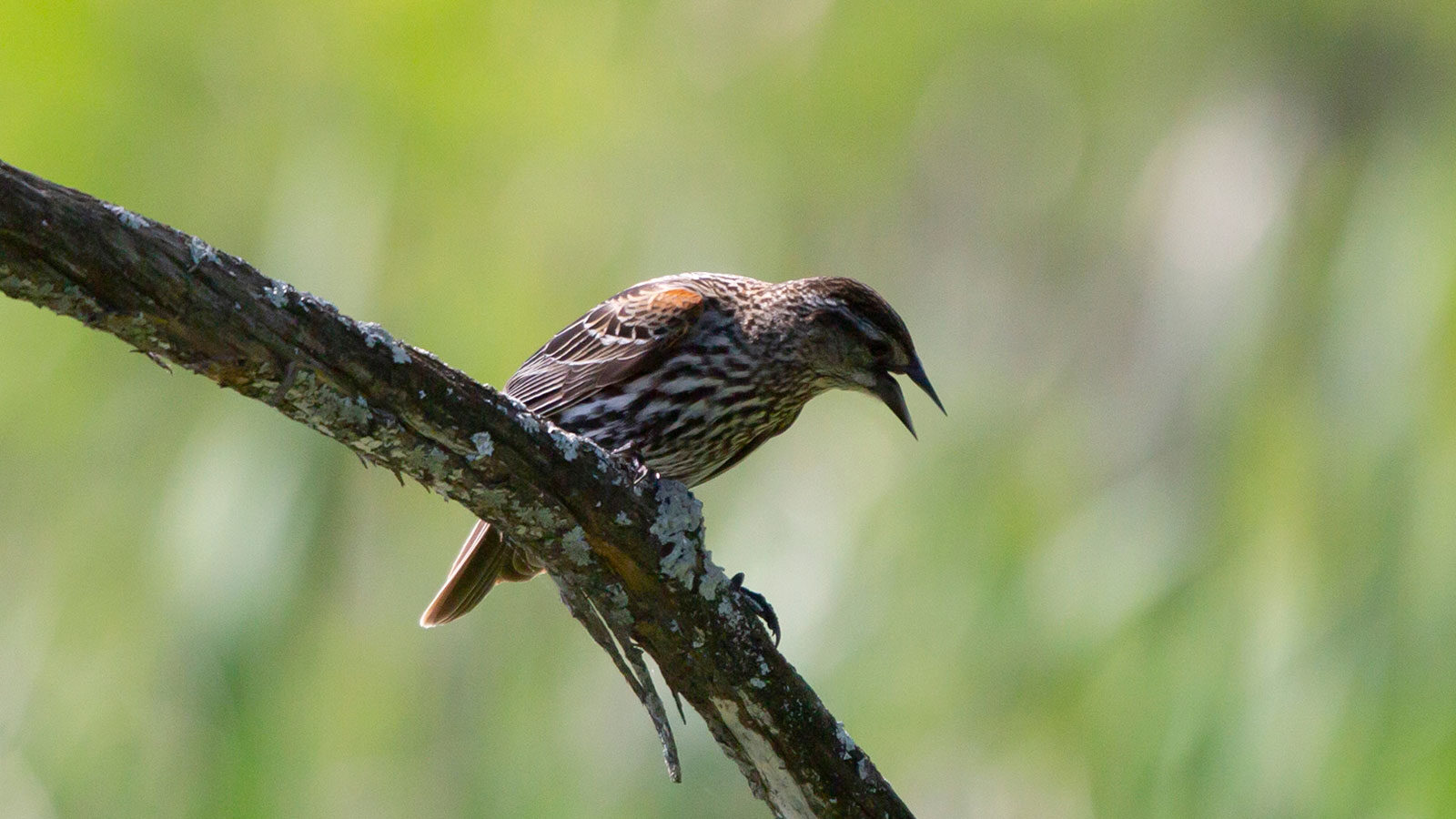
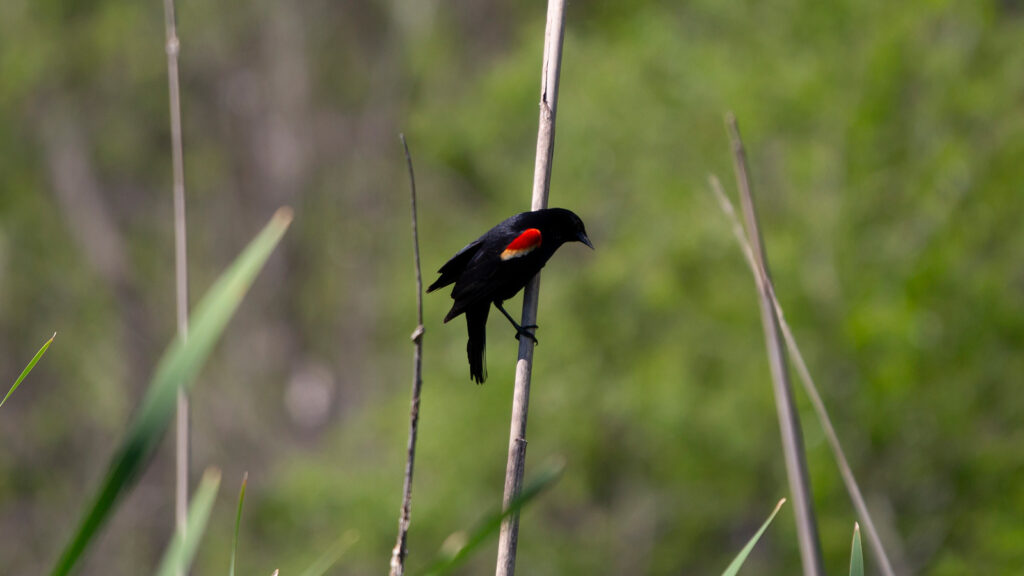
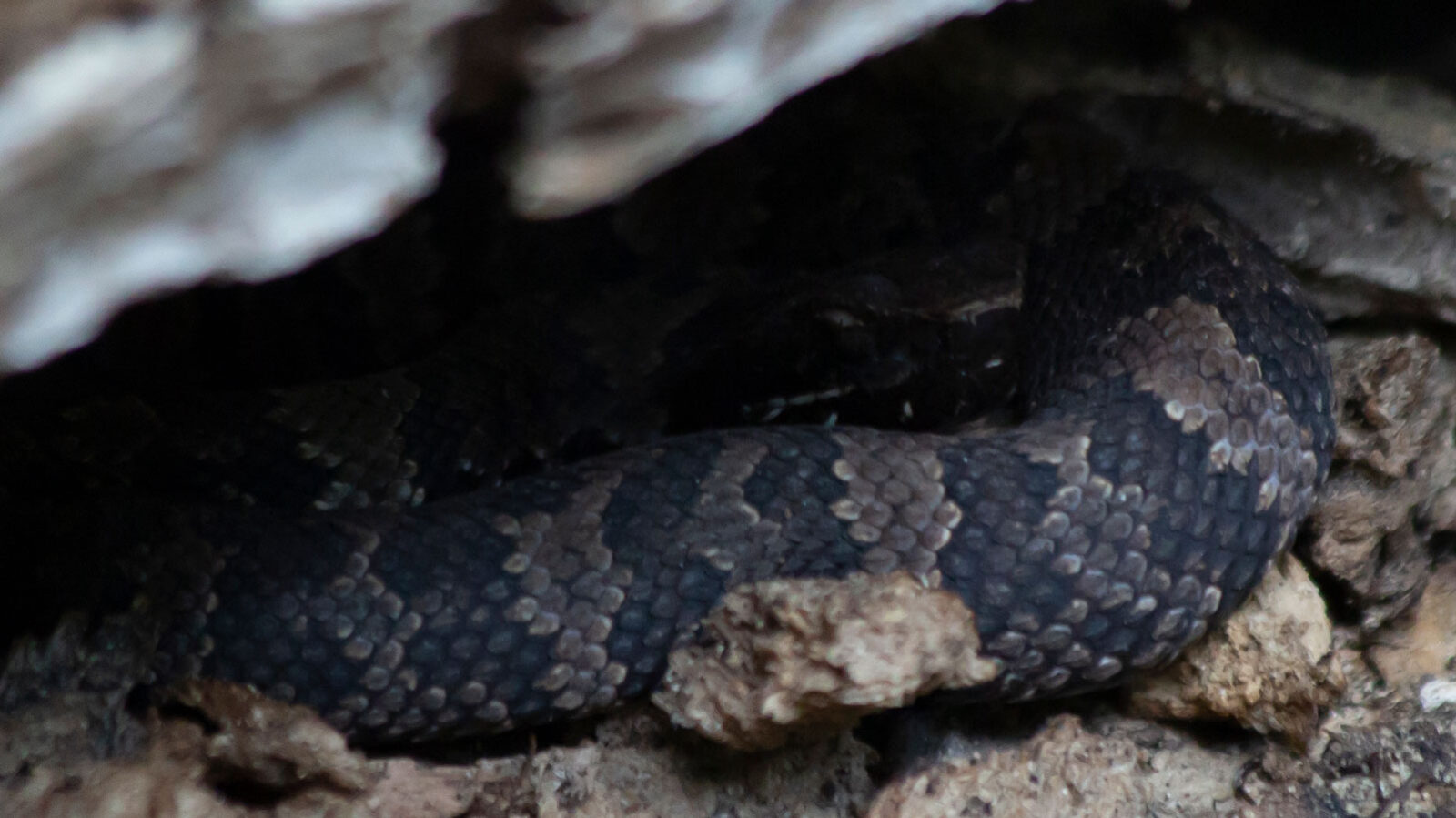
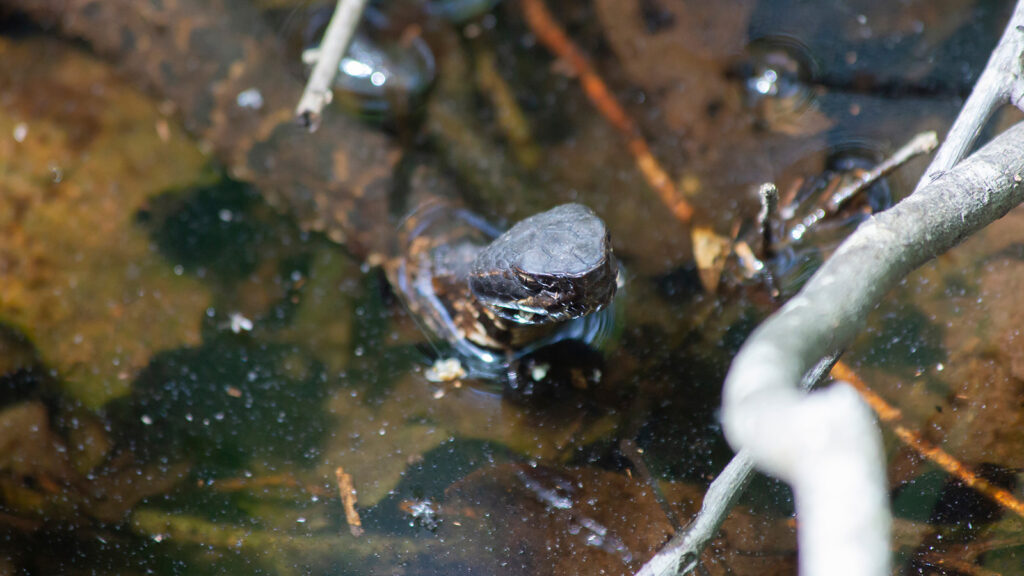
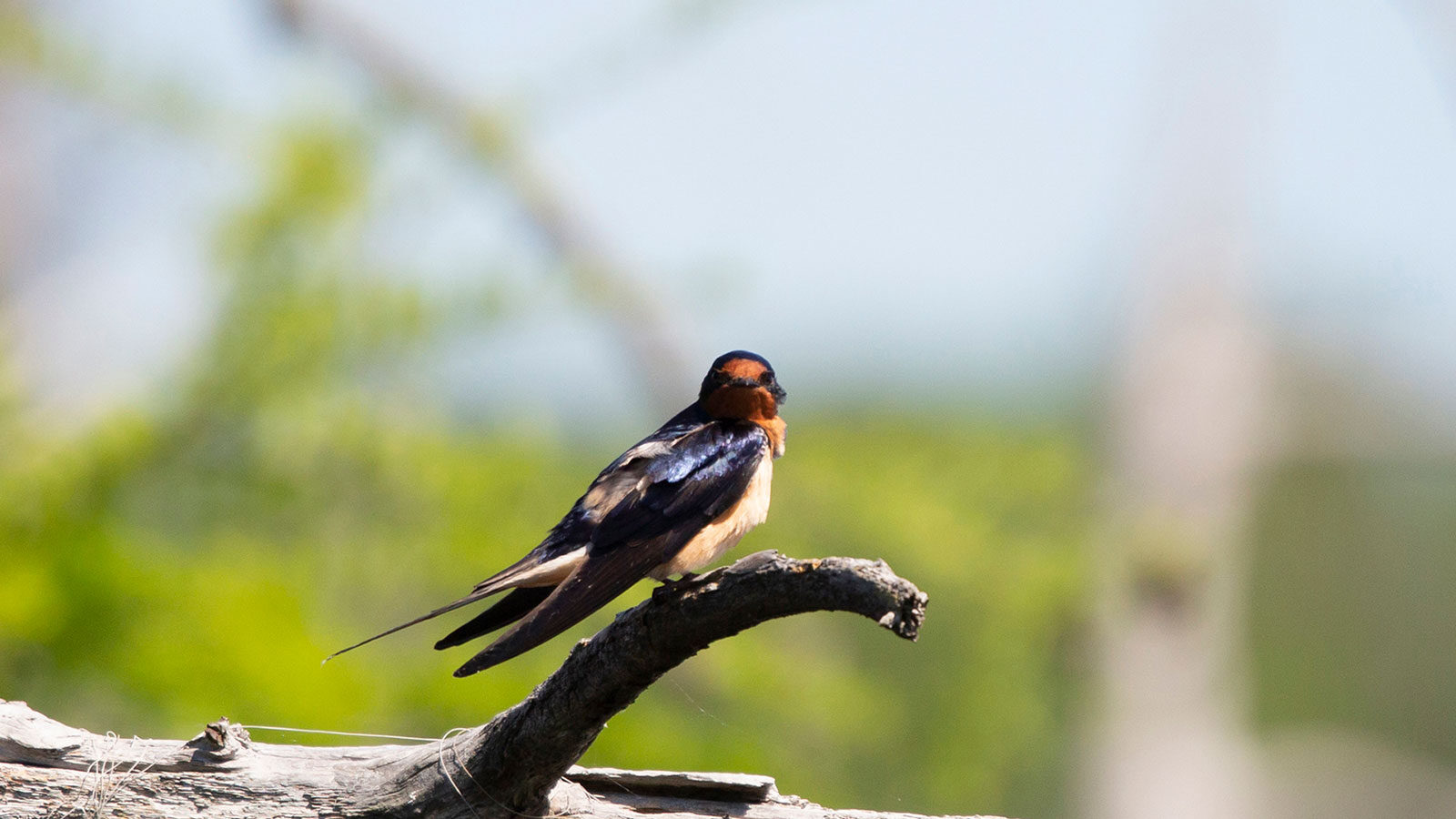
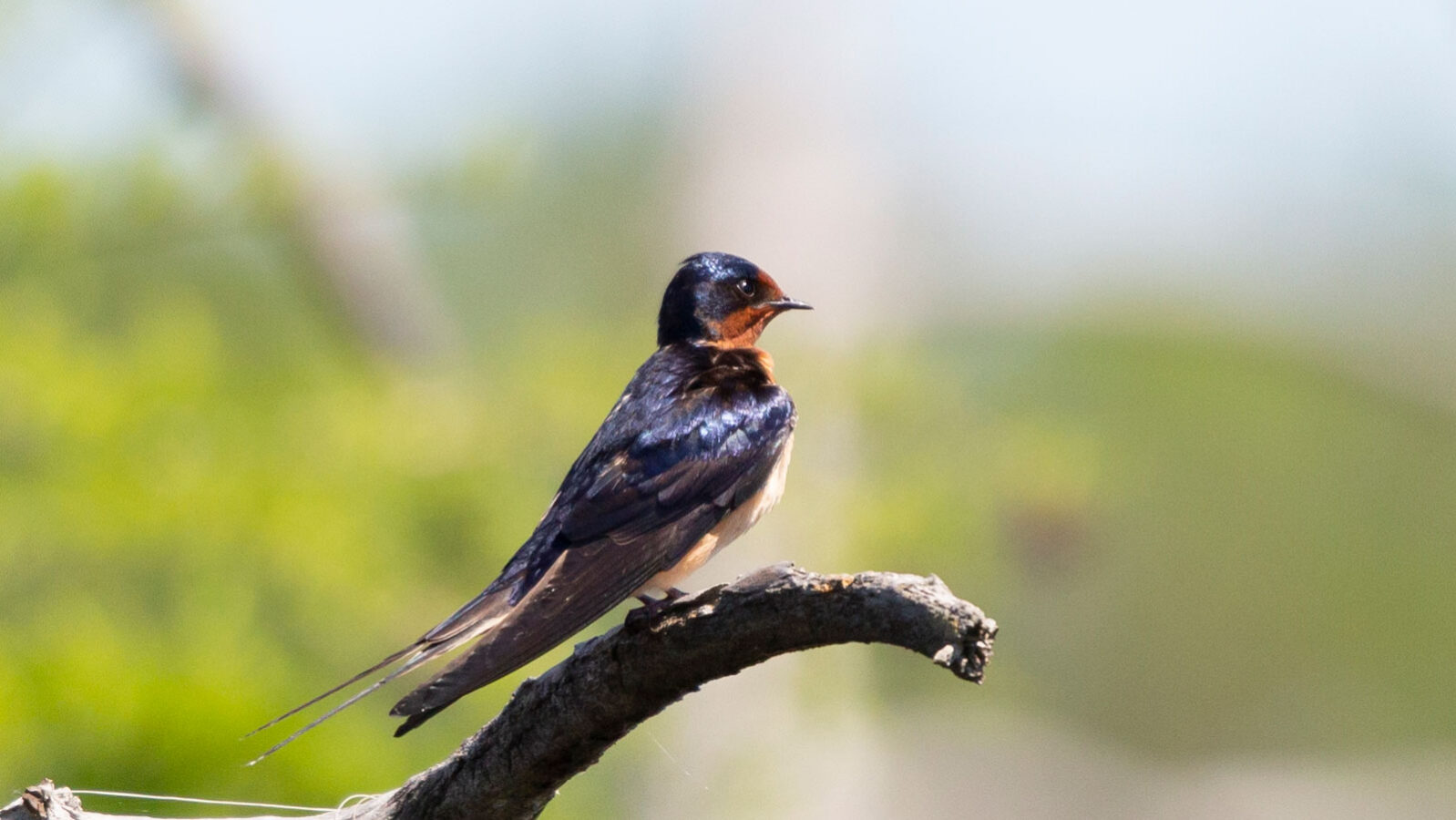
Hanging out at the Black Bayou Lake NWR is like being in the friendliest secret club on the planet. People wave and often stop and chat no matter where you go on the refuge. The NWR is the first place we saw prothonotary warblers, broad-banded water snakes, and to this day, the place we’ve seen the most broad-banders. It’s also where we first saw red-winged blackbirds, although Tensas holds the record for the most we’ve seen in one place. On any given day, you can find wading birds, like great egrets, great blue herons, and even little blue herons, songbirds, like warblers and vireos, woodpeckers, frogs, toads, raptors, deer, snakes, fish, and vultures.
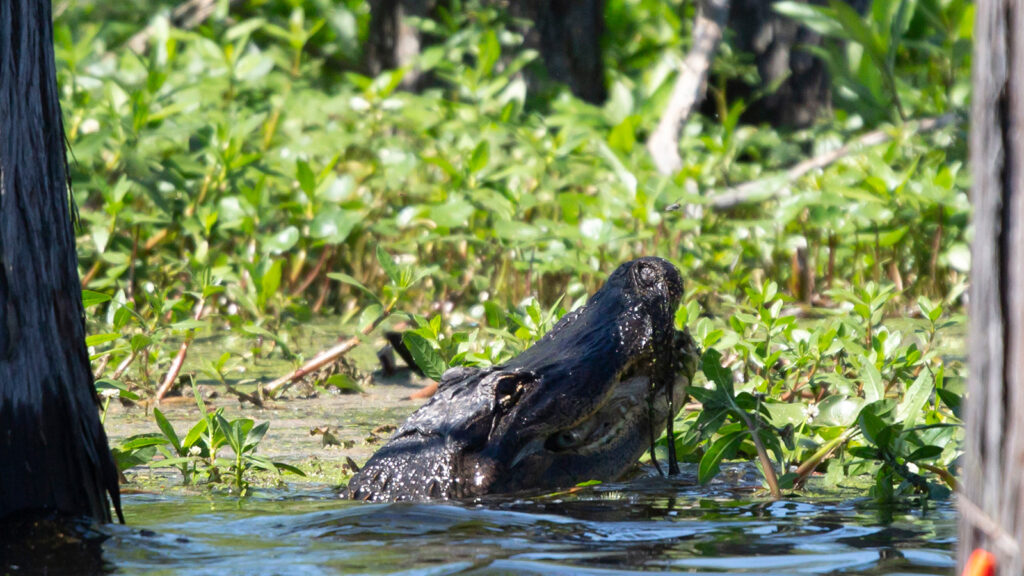
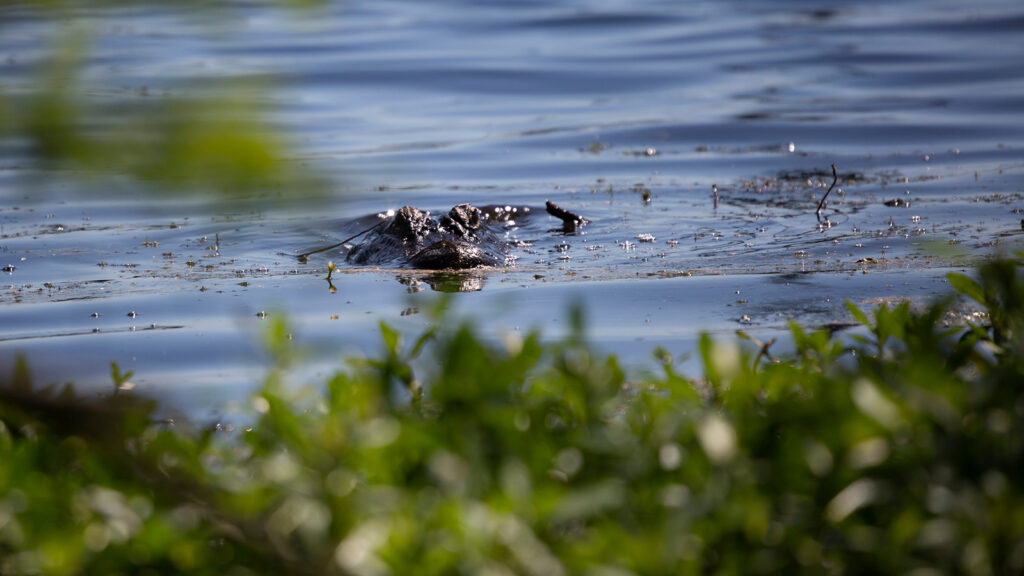
The NWR has a special place in our hearts as the first place we saw alligators in the wild and the only place we’ve seen prothonotary warblers. The refuge is small enough to visit most of it in a single day. However, there are so many trails, particularly along the art road, that you’ll want to make several visits to see everything. We suggest you start with the pier, which you can access from the Nature Trail (which is as awesome as the pier) at the visitor’s center or the boat launch area. Our other favorite refuge areas are the agricultural fields at the end of the Art Installation Road, the photo blind, and the observation tower. On the Edgewater Trail, you can also find loads of wildlife past the boat launch area.
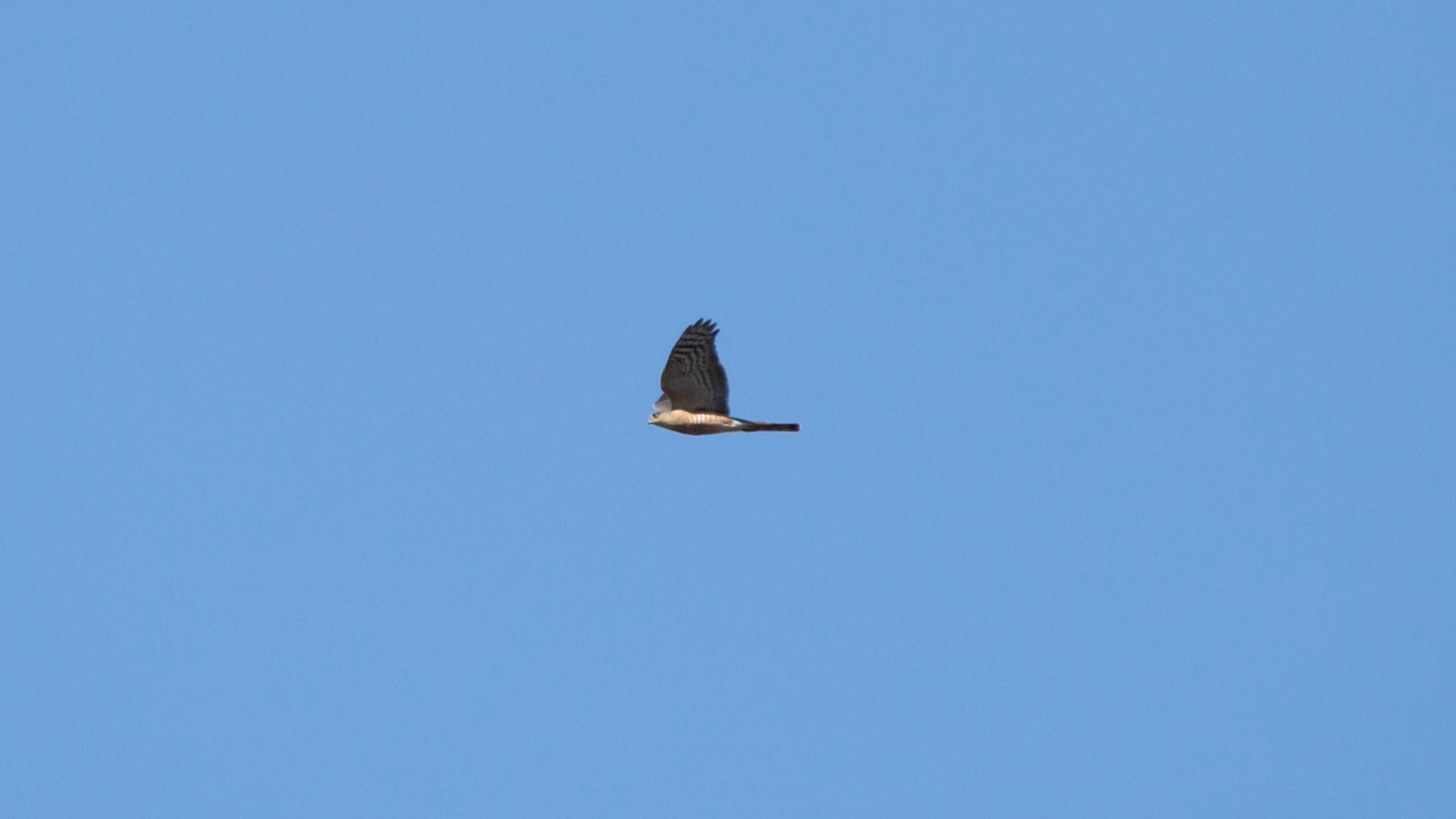
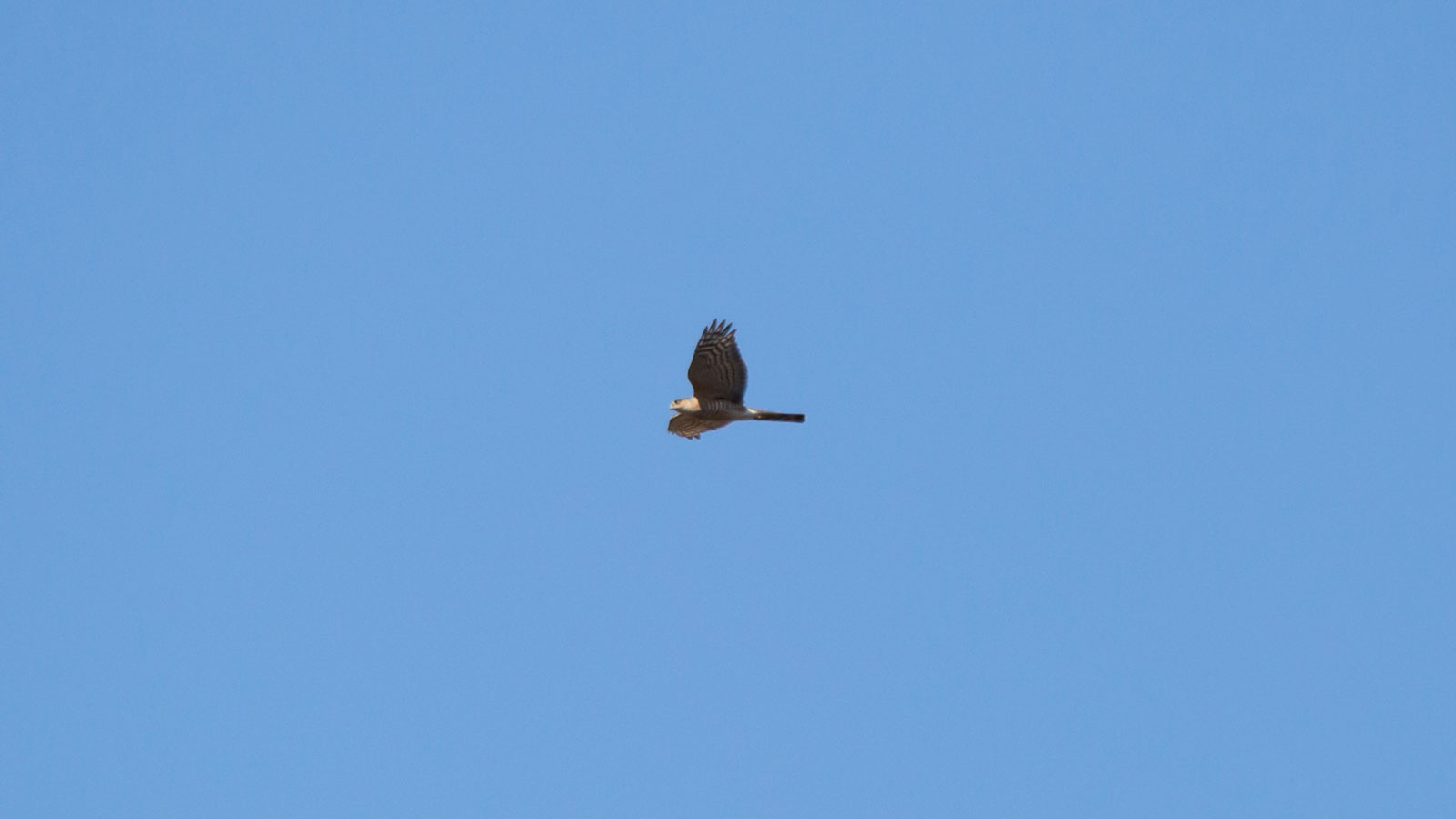
We love the area that overlooks Bayou DeSiard, and this trail also passes near the lake. On any given day, you can find wading birds, like great egrets, great blue herons, and even little blue herons, songbirds, frogs, toads, raptors, armadillos, deer, skinks, hummingbirds, and snakes. In our visits to Black Bayou, we’ve met birds, including warblers, vireos, bluebirds, orioles, egrets, herons, and hawks; all kinds of frogs and toads; snakes and turtles, particularly broad-banded water snakes, cottonmouths, ribbon snakes, and red-eared sliders.
The Black Bayou Lake NWR is on two sides of the lake. The largest, most popular section of the NWR is just north of Monroe, off 165 North. That’s where you’ll find the refuge headquarters, a bird trail, a prairie trail, a photo blind, an observation overlook, a boat ramp, a hunting area, and an art area. You’ll also find a nice pier boardwalk that juts out over the lake’s edge. The trails are easy to walk, and no matter when you go out there, you’ll meet folks who understand and love Louisiana wildlife. On the other side of the lake, you’ll find a smaller, much wilder area with bramble-covered trails that lead to the lake. If you have time, check out the Arboretum Trail near the visitor’s center, where you can meet loads of birds. Once the center opens back up, stop by there, as well. In addition to a nice restroom, the center houses displays and a nifty gift shop.