Advertisement
Fun Facts
Did You Know?
Smallest sulphur in North Louisiana by a meaningful margin, barely three-quarters of an inch across, quick, and working clover and sneezeweed at the roadside while everything around it measures twice its size and gets twice the observer attention.
If This Animal Could Talk...
"Look at my habitat, season, and behavior first. Those clues tell you what I am before you need a close-up."
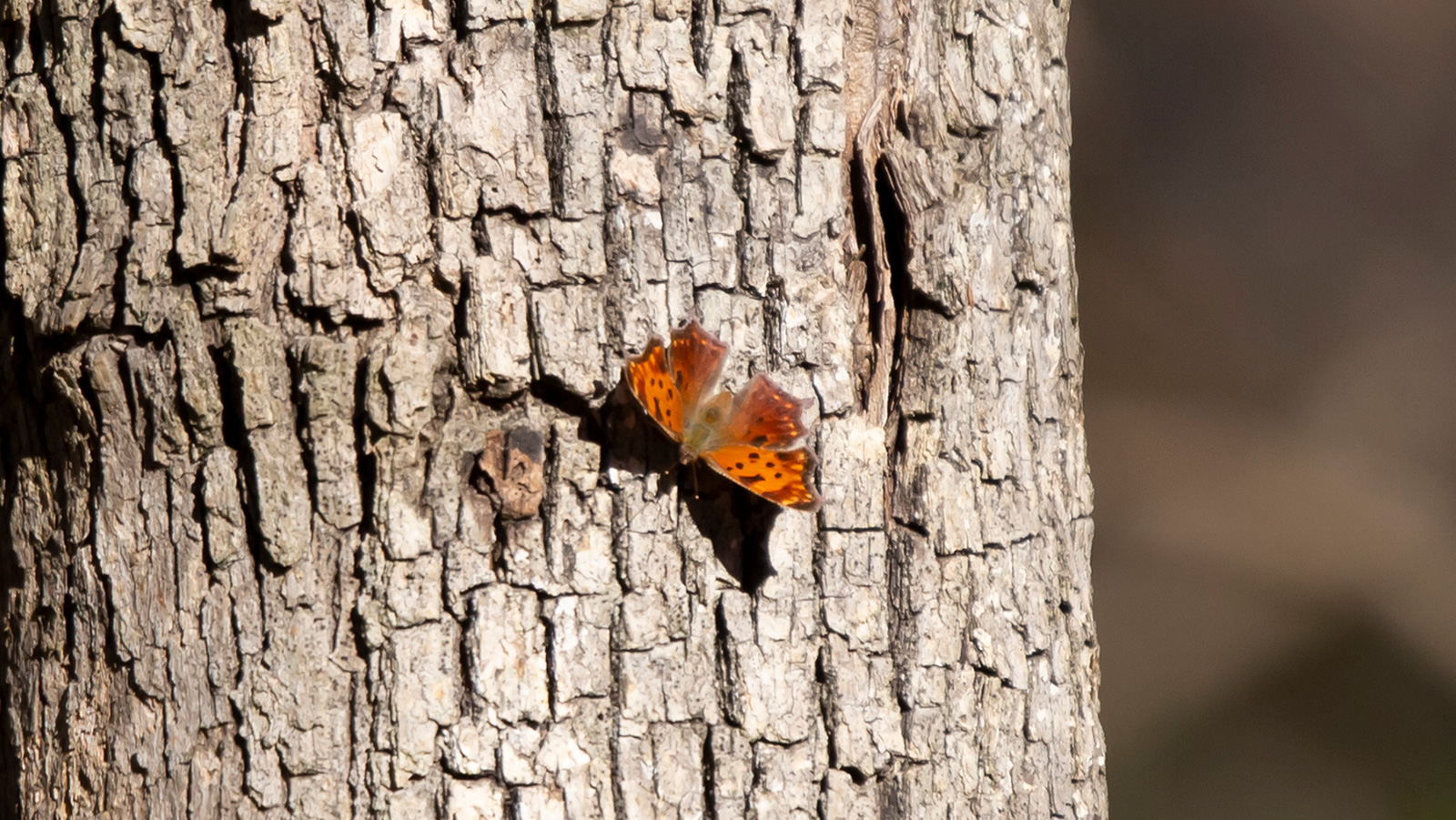
Smallest sulphur in North Louisiana by a meaningful margin, barely three-quarters of an inch across, quick, and working clover and sneezeweed at the roadside while everything around it measures twice its size and gets twice the observer attention. Nathalis iole earns its name honestly. What it never earned, though: the dismissal it typically receives, because a butterfly this small that breeds year-round in mild years, flies in some of the warmest months when larger sulphurs have already departed, and uses host plants that most butterfly observers have never looked at twice represents more natural history than its size suggests. Size predicts nothing about how interesting a species gets. The dainty sulphur proves this regularly. Nathalis iole ranges across the southern United States, Central America, and South America, and in North Louisiana's 26 parishes it breeds on sneezeweed, fetid marigold, and related composites wherever those plants grow in sunny, open, often disturbed habitats. Adults fly from March through November in most years, with late-season stragglers persisting into December during mild falls. The species does not consult the calendar. It consults the temperature. In warmer winters, a few adults may survive the coldest months at southern-exposure sites in the bottomland parishes. The species appears at open roadsides, disturbed edges, old fields, and any sunny habitat where its host plant composites establish, which in North Louisiana means showing up across all 26 parishes wherever the right plants grow in sun. What the Dainty Sulphur Actually Looks Like The adult spans three-quarters to one inch, smaller than any other sulphur in the region, comparable in size to the eastern tailed-blue and the Carolina satyr rather than to other sulphurs. The male upperside shows pale greenish-yellow with a black forewing tip and a dark elongated spot on the inner forewing margin. Hindwing upperside: yellow, narrow dark border. Both sexes carry dark spots along the forewing inner margin that give the closed-wing resting posture a speckled quality distinguishable from the solid-pattern undersides of Colias sulphurs. Underside, visible when the butterfly perches with wings closed, shows greenish-yellow on the hindwing with a reduced spotting pattern. A seasonal winter form exists in the species' southern range and occasionally appears in North Louisiana during mild years: winter-form adults show more extensive dark markings, greener ground color, and a more heavily patterned underside than the summer form. Finding a winter-form dainty sulphur at a North Louisiana roadside in December represents one of the more unusual butterfly observations available in the 26 parishes. Most observers have trouble finding them in July. December takes more commitment. Where the Dainty Sulphur Lives Sunny, open, often disturbed habitats with sneezeweed, Helenium species, fetid marigold, Dyssodia papposa, and related composites throughout all 26 North Louisiana parishes. The host plant association with Helenium and related composites rather than with legumes sets the dainty sulphur apart from the other North Louisiana sulphurs, which use legumes almost exclusively. That botanical distinction means the dainty sulphur occupies different microhabitats than the Colias complex even when both groups appear at the same roadside location. Sneezeweed grows in moist, open habitats throughout the 26 parishes, roadsides, stream banks, wet meadow edges, and disturbed sites with seasonal moisture. Fetid marigold grows in drier, disturbed ground. Both plants establish in the open, sunny conditions that the dainty sulphur needs for thermoregulation and breeding. A roadside section with patches of Helenium in seasonal wet areas and patches of Dyssodia in the drier adjacent ground holds potential dainty sulphur habitat across a single half-mile stretch. The Caterpillar's Year Multiple broods throughout the warm season, with adults present from March through November and, in mild years, into December. Caterpillars feed on the foliage of sneezeweed, fetid marigold, and related composites, green and cryptically colored against the aromatic foliage of these plants. The aromatic chemistry of the host plants provides some caterpillar protection through sequestration of plant compounds that make the caterpillar distasteful to some predators. Not all predators. Some predators eat distasteful things anyway. But some predators get the message. Finding dainty sulphur caterpillars means examining sneezeweed and fetid marigold foliage at specific sites, the search image of a small green caterpillar on strongly aromatic composite foliage at a sunny roadside. The caterpillar's association with aromatic host plants distinguishes it from the majority of North Louisiana butterfly caterpillars, which use either legumes or woody plants rather than aromatic roadside composites. The species approaches year-round breeding in the southernmost North Louisiana parishes in mild years, with adult activity during January and February at warm-facing, sheltered roadside sites when temperatures rise above 60 degrees. That near-continuous activity makes the dainty sulphur the closest approximation to a year-round butterfly in the 26 parishes among the species that actually breed here rather than simply visiting. What the Dainty Sulphur Eats Adults nectar at sneezeweed, the same composite genus the caterpillars use as host plants, producing the combined oviposition-and-nectaring behavior at Helenium patches that makes those patches worth extended observation from late summer through fall. Adults also nectar at native asters, goldenrod, and various small-flowered roadside composites. The preference for composite family flowers at both the nectar and host plant stage distinguishes adult foraging from the legume-focused Colias sulphurs working the same roadsides. Males mud-puddle at damp soil for minerals, appearing at clay puddling sites alongside larger sulphurs. At mixed-species puddling aggregations, the dainty sulphur's small size identifies it immediately, less than half the size of the orange sulphurs at the same puddle, moving more quickly between sips, and holding the wings in a slightly more upright posture than Colias at damp clay. That one looks like an orange sulphur went through the wash on hot. What Eats the Dainty Sulphur Small size reduces the dainty sulphur's energy return for most aerial predators relative to the Colias sulphurs at the same site. Crab spiders ambush adults at sneezeweed flowers. Robber flies intercept adults in open-field flight. The fast, erratic flight of the dainty sulphur through low vegetation at roadside sites makes interception harder than the more regular flight of the larger sulphurs. Small and unpredictable: not a complete defense strategy, but a reasonable one. The aromatic chemistry sequestered from host plant foliage may provide caterpillar protection against some predators, though the extent of that protection in dainty sulphur caterpillars specifically has not received the study that similar host plant sequestration in other butterfly groups has. Finding Dainty Sulphurs in North Louisiana Sneezeweed patches at sunny, moist roadside edges throughout the 26 parishes from August through October, peak Helenium bloom period, when dainty sulphurs concentrate at the flowers for both nectaring and oviposition. At those patches, adults mix with other composite-visiting butterflies and bees. You have to size-sort before you can identify anything. A sulphur-sized insect that reads as smaller than any sulphur should be: dainty sulphur. For the closed-wing view: a butterfly perched at a sneezeweed flower with wings closed, showing greenish-yellow underside with a slightly speckled quality, in the three-quarter-inch size range, that combination identifies the species in the absence of any open-wing view. The greenish underside distinguishes the dainty sulphur from the yellow-white underside of the clouded sulphur and the yellow-green of the orange sulphur at comparable positions on the same flower. Fall roadsides with both sneezeweed in bloom and native asters hold dainty sulphurs reliably in September and October throughout the 26 parishes. A slow drive along any rural road in the upland parishes in early October with attention to the composite flowers at the roadside edge produces dainty sulphur encounters at sneezeweed patches without requiring specific site knowledge beyond finding the host plant bloom. The Dainty Sulphur in a Small-Butterfly Context The dainty sulphur, eastern tailed-blue, and summer azure together form a guild of small, fast, easily overlooked butterflies in North Louisiana's open and semi-open habitats that most observers have not yet calibrated their search image to detect. All three species require a downward size adjustment from the standard butterfly observer's mental model, which calibrates for species averaging an inch and a half or more. All three appear at open-habitat sites throughout the warm season. All three reward close examination with identification features that distinguish clearly once the observer knows what to look for. Within that small-butterfly guild, the dainty sulphur occupies the sunny roadside composite flower niche, the tailed-blue occupies the clover patch niche, and the azure occupies the mud puddle and dogwood flower niche. All three niches appear at North Louisiana roadside sites simultaneously in summer, producing a small-butterfly community at a single roadside location that contains more species than most observers register from a driving pass. Stopping at a late-summer roadside in any of the 26 parishes and sorting through the small stuff, everything under an inch and a quarter, finds all three species at the same half-mile stretch on a good day. Sneezeweed: Better Than It Sounds The common name "sneezeweed" comes from the historical use of dried Helenium leaves in snuff production, not from any hay-fever-inducing property of the plant. The plant does not make observers sneeze. The dainty sulphur does not care either way. What sneezeweed causes in dainty sulphurs: oviposition. Which serves the observer more usefully than a sneeze. Sneezeweed grows easily in moist, sunny soil throughout North Louisiana's 26 parishes, blooms reliably in August through October when most other roadside wildflowers have finished, and provides both host plant and nectar source for the dainty sulphur at the same location. A garden or restoration planting that includes native Helenium species, particularly Helenium autumnale, autumn sneezeweed, in a sunny, seasonally moist position creates dainty sulphur habitat without any specialized management. The plant establishes from seed or transplant, spreads by rhizome into a persistent clump, and blooms annually in the late-summer through fall period when the dainty sulphur most benefits from abundant composite flowers. The yellow flowers attract pollinators broadly, making sneezeweed a multi-purpose late-season addition to any native plant planting in the 26 parishes. Fetid marigold, Dyssodia papposa, provides the dry-site complement to sneezeweed's moist-site distribution. Strongly aromatic, growing in dry, disturbed, well-drained soils throughout the region, and blooming from summer through frost, fetid marigold extends the dainty sulphur's host plant availability into habitat types that sneezeweed does not reach. Both plants grow without management intervention wherever soil and moisture conditions permit, establishing from seed in disturbed open ground without any planting effort. The Composite Guild Most North Louisiana butterfly observers think of legumes when they think of sulphur host plants: clover for orange and clouded sulphurs, alfalfa for those same species, partridge pea and wild senna for cloudless sulphurs, prairie clover for southern dogface. That legume framework covers most of the sulphur family in the region accurately. The dainty sulphur breaks it entirely by using composites, the daisy family, the aster family, the sneezeweed family, as caterpillar food. That difference matters for where to look and what to look for. An observer scanning a clover patch for sulphurs finds orange, clouded, and possibly dogface, but not dainty sulphur. An observer scanning a sneezeweed patch finds dainty sulphur plus the various larger butterfly species drawn to composite flowers in fall. The two search strategies produce almost non-overlapping species lists despite occurring at the same roadside location in the same season. Sneezeweed in bloom in September at a North Louisiana roadside draws: dainty sulphurs nectaring and ovipositing, sleepy oranges fueling for late-season activity, common buckeyes at the yellow flower heads, various skippers working the small florets, bumble bees and sweat bees in numbers, and small flies in dozens. Identifying the small yellow butterfly at that sneezeweed patch correctly as dainty sulphur rather than a very small orange sulphur comes from recognizing both the host plant and the size, no orange sulphur ever got this small without something going seriously wrong. Size As Field Mark The dainty sulphur's small size functions as a primary field mark in the context of North Louisiana's sulphur community, not as a confounding variable. Any sulphur-family butterfly at a North Louisiana roadside that reads as smaller than the surrounding orange and clouded sulphurs by a substantial margin belongs to one of two species: the dainty sulphur or the little yellow. Both species appear at composite and legume roadsides respectively, rarely overlap in preferred habitat, and both sit well below the Colias size range. Placing a dainty sulphur correctly in the size sequence, below eastern tailed-blue and carolina satyr in wing area, comparable to or slightly larger in wingspan, calibrates the observer to search at the correct visual scale for both dainty sulphur and little yellow. That calibration changes the entire open-habitat butterfly observation experience at North Louisiana roadsides, because suddenly there are two additional species visible in every composite flower stand that were previously invisible because the observer was not looking at anything under an inch. Both species reward the calibration immediately and persistently. Every sneezeweed stand in bloom in the 26 parishes from August through October has dainty sulphurs in it unless someone recently sprayed the roadside edge with herbicide. Every vetch patch in early spring has little yellows. Neither species needs travel to a special site. Both species ask the observer to recalibrate the lower size limit of what counts as a butterfly worth looking at. Year-Round Activity Window The dainty sulphur's near-year-round activity in mild years makes it one of the most phenologically interesting butterflies in North Louisiana for observers who track butterfly activity across the full calendar. First-of-year records in February or March, last-of-year records in November or December, and winter-form adult records in January at sheltered south-facing sites in the bottomland parishes all contribute to the regional understanding of the species' cold-tolerance at the northern edge of its near-year-round range. North Louisiana sits in the transition zone where the dainty sulphur shifts from reliable year-round presence in the deep south to a warm-season visitor that may or may not survive individual winters. That transition zone position means that year-to-year variation in winter survival rates produces visible variation in spring population size and first-of-year dates that directly reflects winter weather severity. A hard January produces fewer February dainty sulphurs. Simple math. The butterfly does not enjoy the math. A mild winter produces large spring dainty sulphur populations from surviving adults. A cold winter produces smaller spring populations that rebuild from southward-dispersing adults as temperatures rise in March and April. The butterfly does not leave a forwarding address. It just shows back up when the sneezeweed starts growing. Tracking first-of-year dates for the dainty sulphur at specific North Louisiana sites across multiple years builds a phenological dataset that documents how winter temperature variation affects population recolonization timing in the 26 parishes. That dataset represents genuinely useful regional data that the current iNaturalist record for North Louisiana does not fully capture. A camera phone at a sneezeweed patch in October costs nothing. The dataset builds itself one photograph at a time. Fetid Marigold and Why It Matters Dyssodia papposa, fetid marigold, grows in dry, disturbed soil throughout North Louisiana's 26 parishes at roadsides, field edges, gravel pads, and any open, sunny, disturbed ground with well-drained soil. The "fetid" comes from the strongly aromatic foliage. The dainty sulphur caterpillar does not seem bothered. Aromatics apparently taste fine if you grew up with them. The plant itself grows in the kinds of disturbed ground that most native plant guides do not cover, fitting into the category of weedy annuals that establish without assistance and depart without ceremony. For the dainty sulphur, that weedy annual behavior translates to host plant availability wherever disturbed open ground occurs in the 26 parishes. A gravel pad at a rural property, a recently scraped roadside strip, a field edge that was disked and left open in spring: all of those disturbed-soil situations produce fetid marigold establishment within one growing season, and dainty sulphur oviposition on that fetid marigold within days of adult flight starting in the area. Nathalis iole does not need managed habitat. It needs open, sunny ground with its host plants present, and its host plants establish themselves wherever that open, sunny, disturbed ground occurs. North Louisiana produces disturbed open ground continuously through construction, agricultural operations, road maintenance, and natural events. The dainty sulphur follows the disturbance wherever the host plants follow it, cycling through the 26 parishes in a constant low-density presence that most observers have never calibrated to notice. The Small-Butterfly Mindset Butterfly watching in North Louisiana scales naturally toward the large and conspicuous: swallowtails at the garden, monarchs in October, fritillaries on the passionflower, gulf fritillaries on the maypop. All of those encounters deliver immediate visual reward at a size and color intensity that does not require searching below an inch of wingspan. None of them prepare the observer for the dainty sulphur. Getting to the dainty sulphur means accepting that North Louisiana's butterfly community extends below the standard search threshold and spending time at the composite flower patches and the mud puddles where that small community operates. It means watching the clover and sneezeweed with the same attention given to the passionflower and the thistle, and treating a three-quarter-inch flash of pale yellow as worth stopping for rather than dismissing as a moth or an insect of unknown type. That adjustment produces access to the dainty sulphur, the little yellow, the eastern tailed-blue, the summer azure, and the Carolina satyr simultaneously, a whole tier of the butterfly community operating below the charismatic large species and delivers its own natural history to anyone willing to look carefully at small things. The dainty sulphur sits at the bottom of that size range and at the outer edge of the sulphur family's expected appearance in the 26 parishes. Barely an inch, using composites instead of legumes, active nearly year-round at sheltered bottomland sites in mild winters, and present at essentially every sneezeweed and fetid marigold stand in the region from late summer through fall: Nathalis iole delivers more field interest than its size suggests and more patience reward than observers calibrated to swallowtails typically expect. Go find a sneezeweed patch. Look at everything smaller than the orange sulphurs. One of them will be this. Always was. In the Sneezeweed in October A North Louisiana roadside sneezeweed stand in full bloom in October holds more insect diversity than most observers process in a casual drive-by. Dainty sulphurs work the yellow flower heads from the bottom clusters upward. Sleepy oranges pause at the flowers between directional flights along the roadside edge. Common buckeyes check every yellow head from a low inspection flight before settling on the flower with the right nectar production. Bumble bees and small native bees cover the flower centers in numbers. Taking fifteen minutes at a sneezeweed stand in October, standing still and watching what uses the flowers, produces a species list and a behavioral observation record that no amount of driving can substitute for. Fifteen minutes. That covers the entire ask. The sneezeweed does the rest of the work. The dainty sulphur appears in that fifteen minutes at virtually every sneezeweed stand in all 26 North Louisiana parishes from late August through October. It was there before the observer arrived. It will be there after the car pulls away. The sneezeweed blooms, the dainty sulphur finds it, the whole small-butterfly scene plays out at roadside scale in every parish with enough open roadside to support a sneezeweed stand. North Louisiana's roadsides do not announce their butterfly community. They just produce it, reliably, in proportion to how much native composite and legume diversity the roadside strip carries and how regularly that strip does not get sprayed with herbicide between bloom periods. The dainty sulphur rewards the observer who treats those unannounced roadside stands seriously. Fifteen minutes at the sneezeweed in October. That covers the entire search strategy. The butterfly covers the rest. Dainty Sulphur Records in the 26 Parishes iNaturalist records for the dainty sulphur in North Louisiana underrepresent actual abundance, as they do for most small, fast butterflies at composite flower patches. Observers who stop at sneezeweed stands in the 26 parishes and specifically photograph the smallest yellow butterflies present build records that contribute to the regional distribution picture more than additional orange and clouded sulphur observations from the same sites. Documenting winter-form adults in December and January at south-facing roadside sites in the southern parishes represents the highest-value observation type for this species in North Louisiana. Those records document cold-season survival at the northern edge of near-year-round range and contribute directly to understanding the dainty sulphur's winter behavior in the Gulf South. Any observation of a flying dainty sulphur in any North Louisiana parish in December through February with photograph and temperature conditions noted adds to a regional dataset that barely exists. First-of-year spring records at established sneezeweed and fetid marigold sites document spring recolonization timing in the 26 parishes. Last-of-year records in November and December document the cold-season endpoint. Both endpoints, documented across multiple years at specific sites, produce a phenological record that reflects how North Louisiana's climate position, at the transition between reliable year-round and seasonal range, affects the dainty sulphur's annual cycle at this latitude. That record does not yet exist in useful form for most of the 26 parishes. Anyone with a camera phone at a sneezeweed stand in October can start building it. What the Dainty Sulphur Knows About Roadsides North Louisiana's road edges hold more butterfly habitat than their width suggests. A mowed grass strip with nothing but turf grass holds almost nothing. Grass. Maybe a confused grasshopper. A roadside strip with sneezeweed, a patch of fetid marigold, a run of native clovers, and a section of native asters in the adjacent disturbed soil holds the dainty sulphur through fall, the little yellow in summer, the eastern tailed-blue all season, the common buckeye at the composite flowers, and the sleepy orange moving through on late-season flights. All of that in a ten-foot-wide strip of roadside between the mowed grass and the tree line. The dainty sulphur does not know about road edges as human infrastructure. It knows about the sneezeweed stand at the edge of the disturbed strip, and that alone suffices. Roadside edge and butterfly found each other through the host plant, not through any shared understanding of what roads are or why they exist. That arrangement plays out across thousands of miles of North Louisiana roadside in all 26 parishes, every season that the sneezeweed blooms and the sulphur survives to find it. Protecting those roadside composites, whether by adjusting mowing timing to allow late-season bloom or by simply not applying herbicide to established sneezeweed stands, costs almost nothing in terms of road management and keeps the dainty sulphur moving through the connected web of roadsides across the 26 parishes. The butterfly handles everything else. It always has. In all 26 parishes. Every sneezeweed stand in bloom. Every undisturbed roadside composite patch from late summer through fall. The dainty sulphur finds them all, announces nothing, and delivers one of the better small-butterfly field encounters North Louisiana offers to anyone who calibrates down to three-quarters of an inch and pays attention to what lands on the yellow flowers. North Louisiana's sneezeweed stands in the 26 parishes bloom reliably every August through October. The dainty sulphur finds each one. That arrangement needs nothing from the observer beyond knowing where the sneezeweed grows and being small enough in ambition to watch what lands on it. Nathalis iole does not announce itself. It shows up at the sneezeweed, does its work, and leaves before most observers calibrate down to its size. That has not changed and shows no sign of changing. Find the sneezeweed. Look at what lands on it. Accessibility The dainty sulphur does not produce wing sounds detectable above ambient roadside noise. What locates the species at a sneezeweed stand: the composite flower patch itself produces a steady background hum of bee activity in bloom season, and that hum orients to the flower zone before any individual butterfly becomes visible. Move toward the bee sound at a sunny roadside edge in August through October and the dainty sulphur will be in that same zone. At mud-puddling sites on maintained clay road shoulders, adults hold at ground level and allow close approach. The sneezeweed patches that concentrate adults for nectaring and oviposition grow at the roadside edge, accessible from any maintained shoulder without entering rough terrain. Any Helenium patch in bloom at a North Louisiana roadside from August through October places the observer in dainty sulphur habitat at road-shoulder level, no trail access needed. From a moving vehicle, the dainty sulphur does not register. Stop. Stand at the sneezeweed patch for five minutes. The adults reveal themselves through repeated landings on the flower heads. More Information The North American Butterfly Association at naba.org maintains Louisiana identification resources including Nathalis iole range and seasonal form documentation. iNaturalist accepts dainty sulphur observations from all 26 North Louisiana parishes with expert Lepidoptera review. Butterflies and Moths of North America at butterfliesandmoths.org carries Louisiana range data and seasonal form information.
Advertisement
Seasonal Activity Pattern
When you're most likely to spot Dainty Sulphur in North Louisiana, broken down by season. Activity shifts with temperature and daylight — what's nocturnal in a Louisiana summer may be out at midday in January.
Spring
Mar – May
Dawn
Morning
Midday
Evening
Night
Active when weather and habitat conditions fit the species profile.
Summer
Jun – Aug
Dawn
Morning
Midday
Evening
Night
Often most visible around food, cover, flowers, water, or breeding habitat described on the page.
Fall
Sep – Nov
Dawn
Morning
Midday
Evening
Night
Fall activity depends on migration, temperature, food supply, and habitat conditions.
Winter
Dec – Feb
Dawn
Morning
Midday
Evening
Night
Winter visibility is reduced unless the source profile describes winter residency or mild-weather activity.
What Is the Dainty Sulphur Often Confused With?
Monarch, Mimosa Yellow, Little Yellow
Drag the handle left and right to compare Dainty Sulphur side by side with the species it gets mistaken for most.
1 of 3
Advertisement
Accessibility
The dainty sulphur does not produce wing sounds detectable above ambient roadside noise. What locates the species at a sneezeweed stand: the composite flower patch itself produces a steady background hum of bee activity in bloom season, and that hum orients to the flower zone before any individual butterfly becomes visible. Move toward the bee sound at a sunny roadside edge in August through October and the dainty sulphur will be in that same zone.
At mud-puddling sites on maintained clay road shoulders, adults hold at ground level and allow close approach. The sneezeweed patches that concentrate adults for nectaring and oviposition grow at the roadside edge, accessible from any maintained shoulder without entering rough terrain. Any Helenium patch in bloom at a North Louisiana roadside from August through October places the observer in dainty sulphur habitat at road-shoulder level, no trail access needed.
From a moving vehicle, the dainty sulphur does not register. Stop. Stand at the sneezeweed patch for five minutes. The adults reveal themselves through repeated landings on the flower heads.
Advertisement