Advertisement
Fun Facts
Did You Know?
The fish crow (Corvus ossifragus) lives alongside the American crow across North Louisiana year-round, looks identical to the American crow at every distance beyond arm's reach, and separates from the American crow by exactly one field mark: the voice.
If This Animal Could Talk...
"Look at my habitat, season, and behavior first. Those clues tell you what I am before you need a close-up."
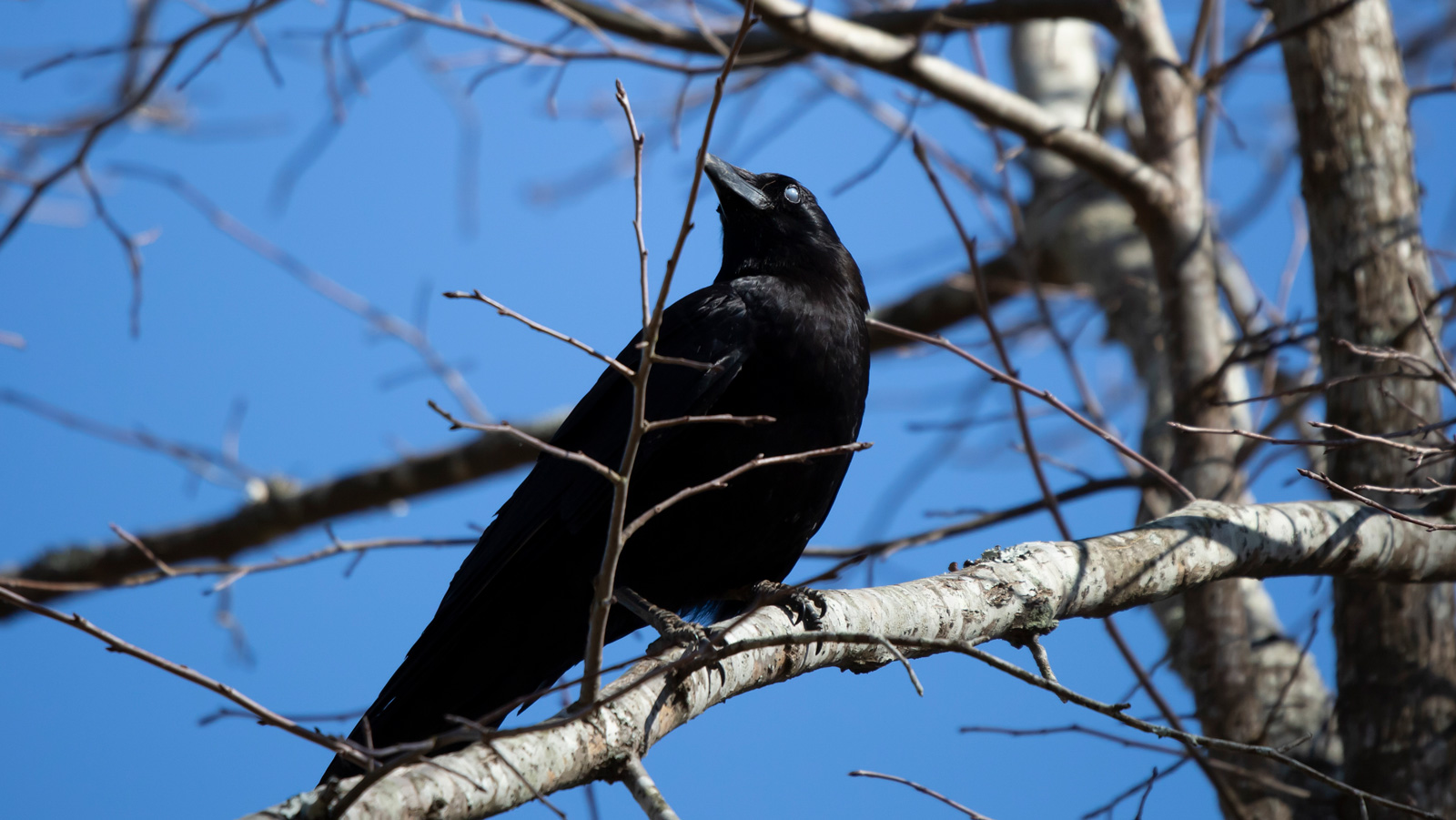
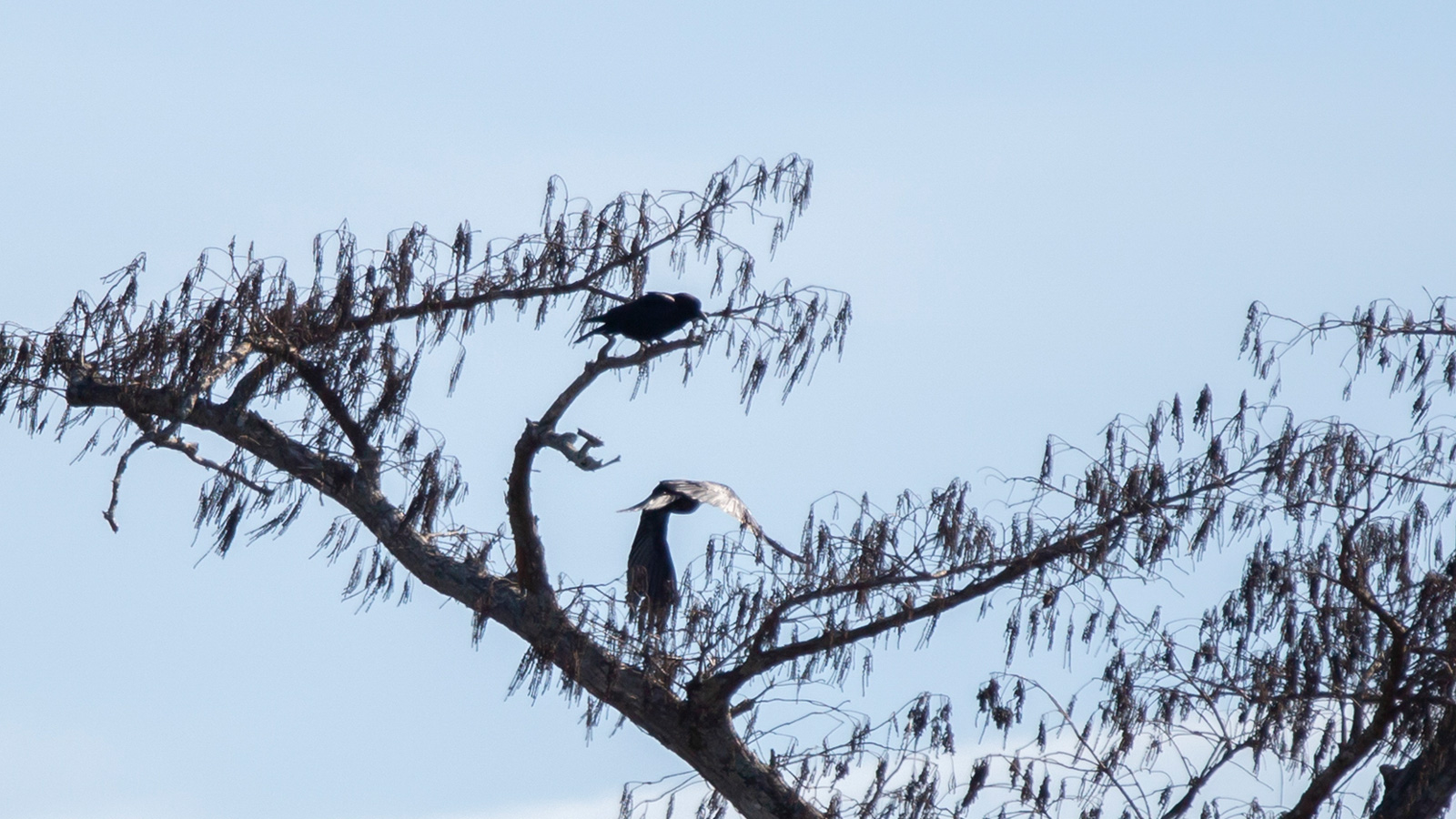
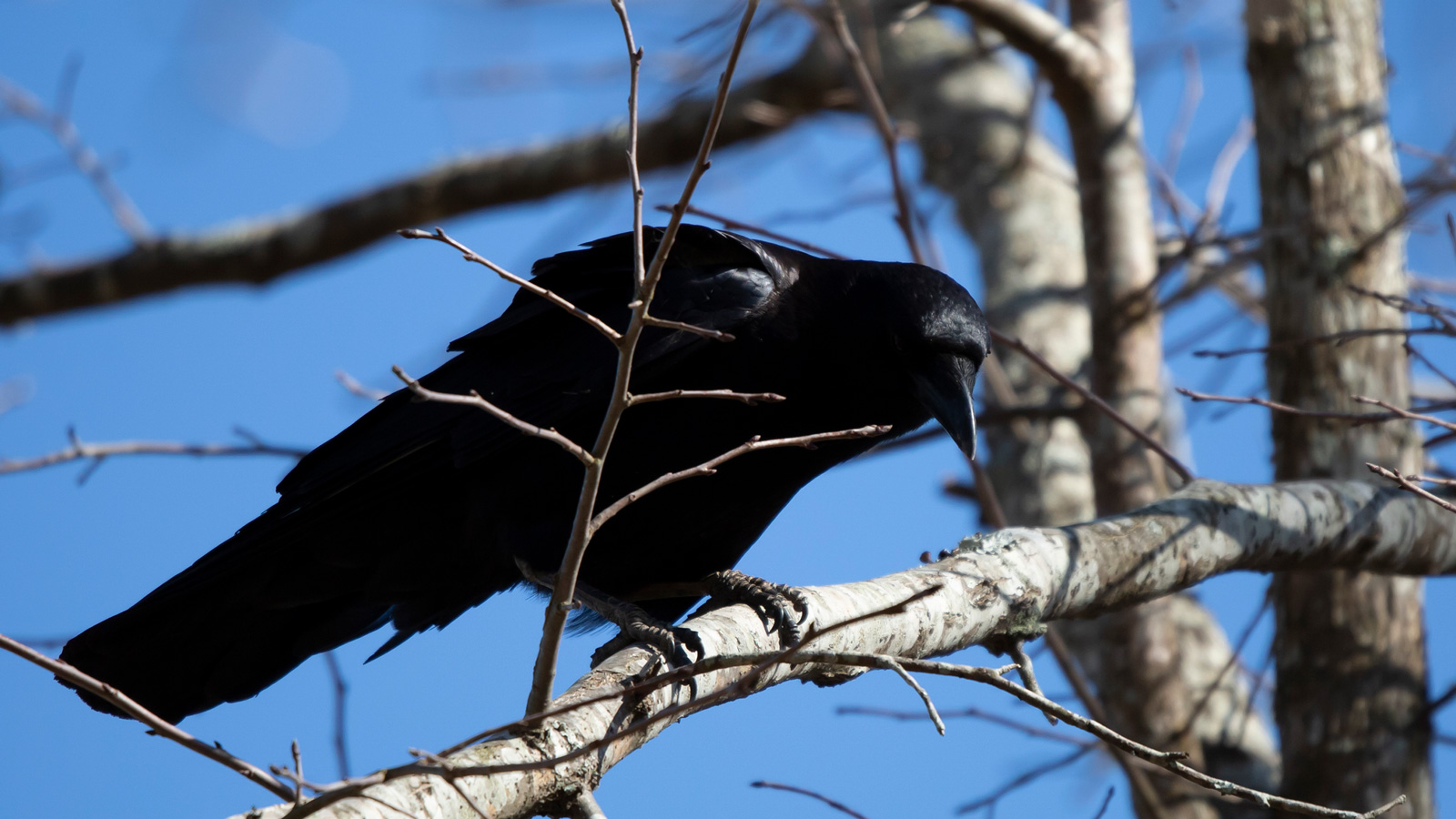
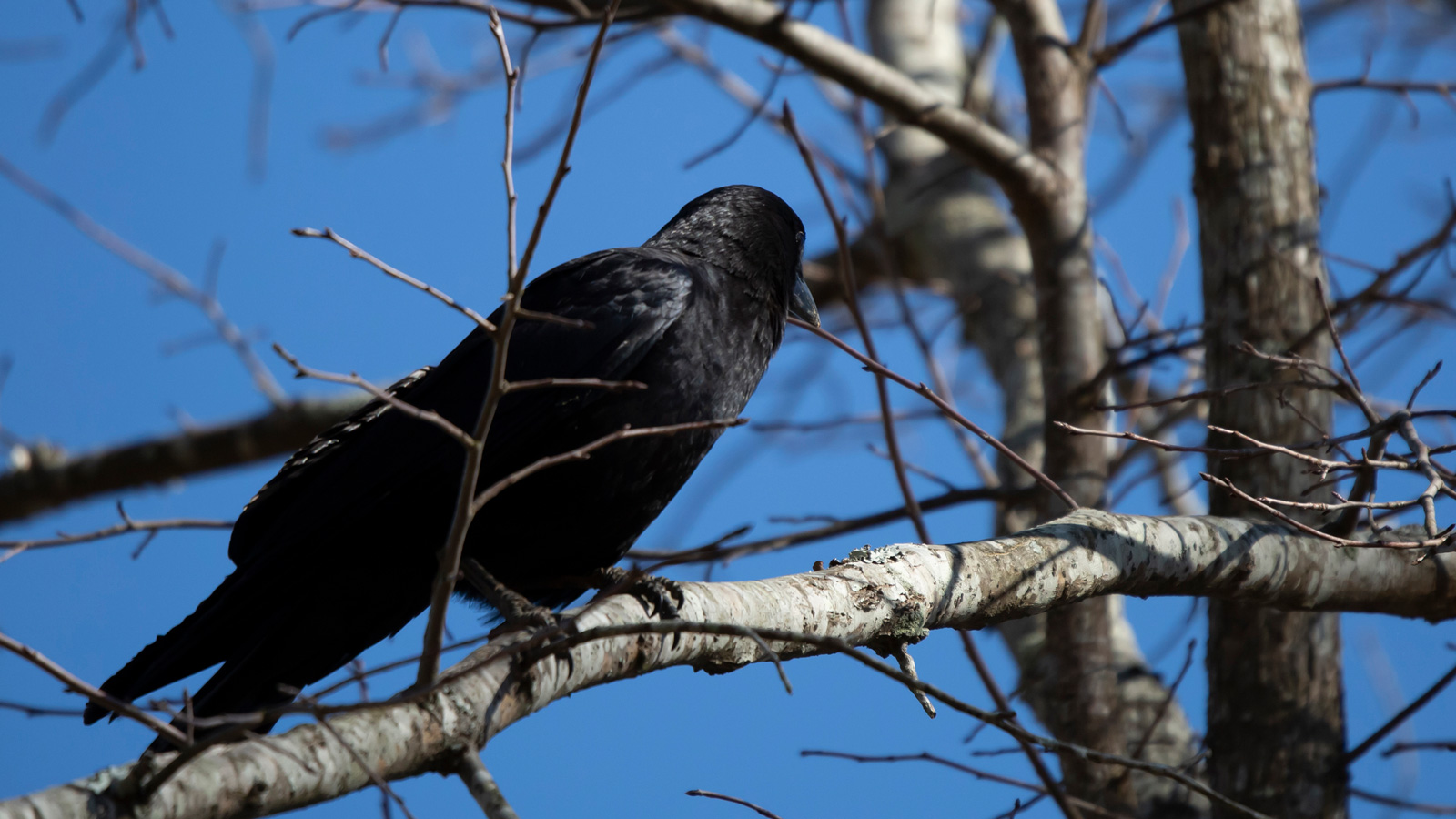
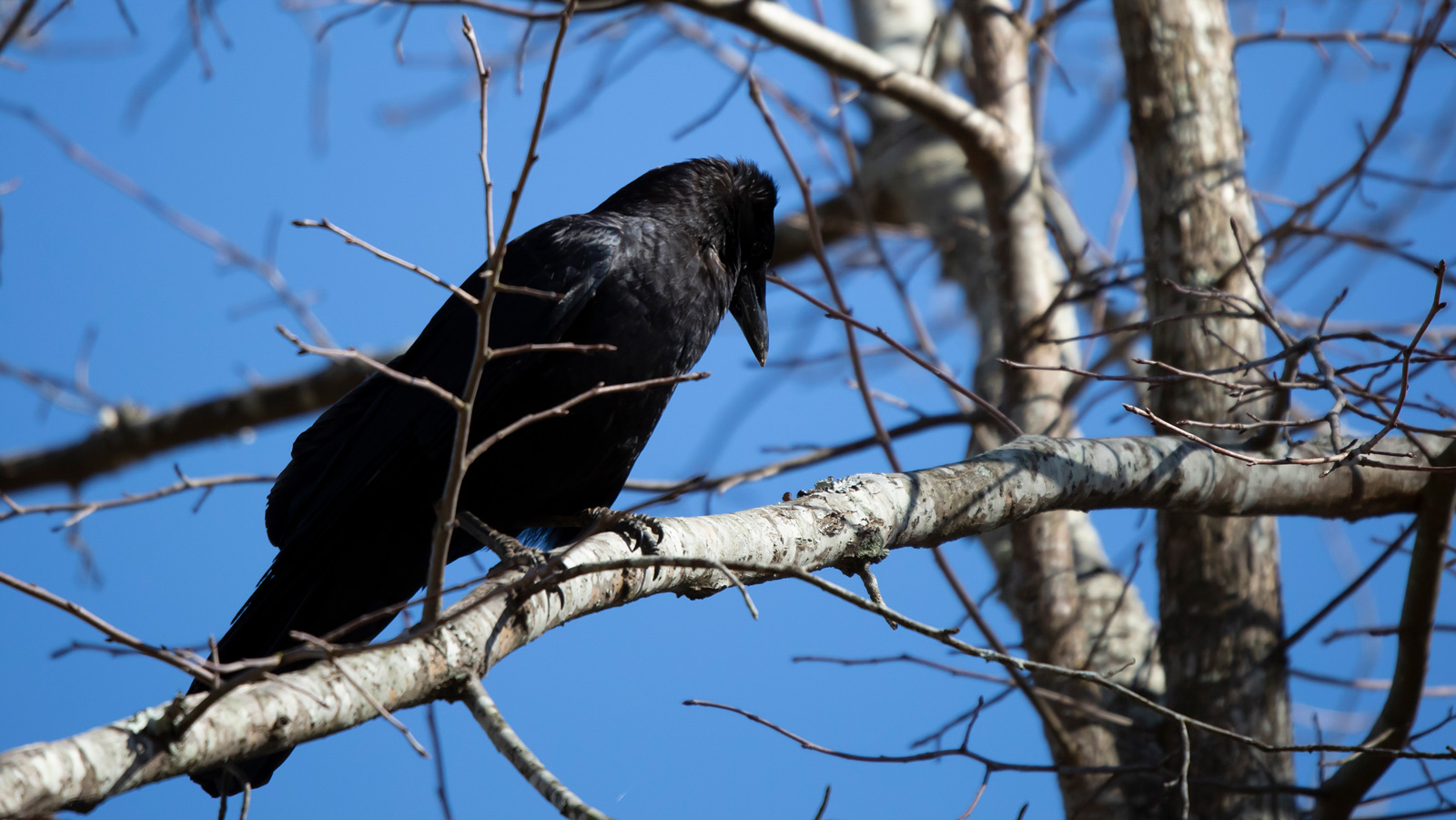
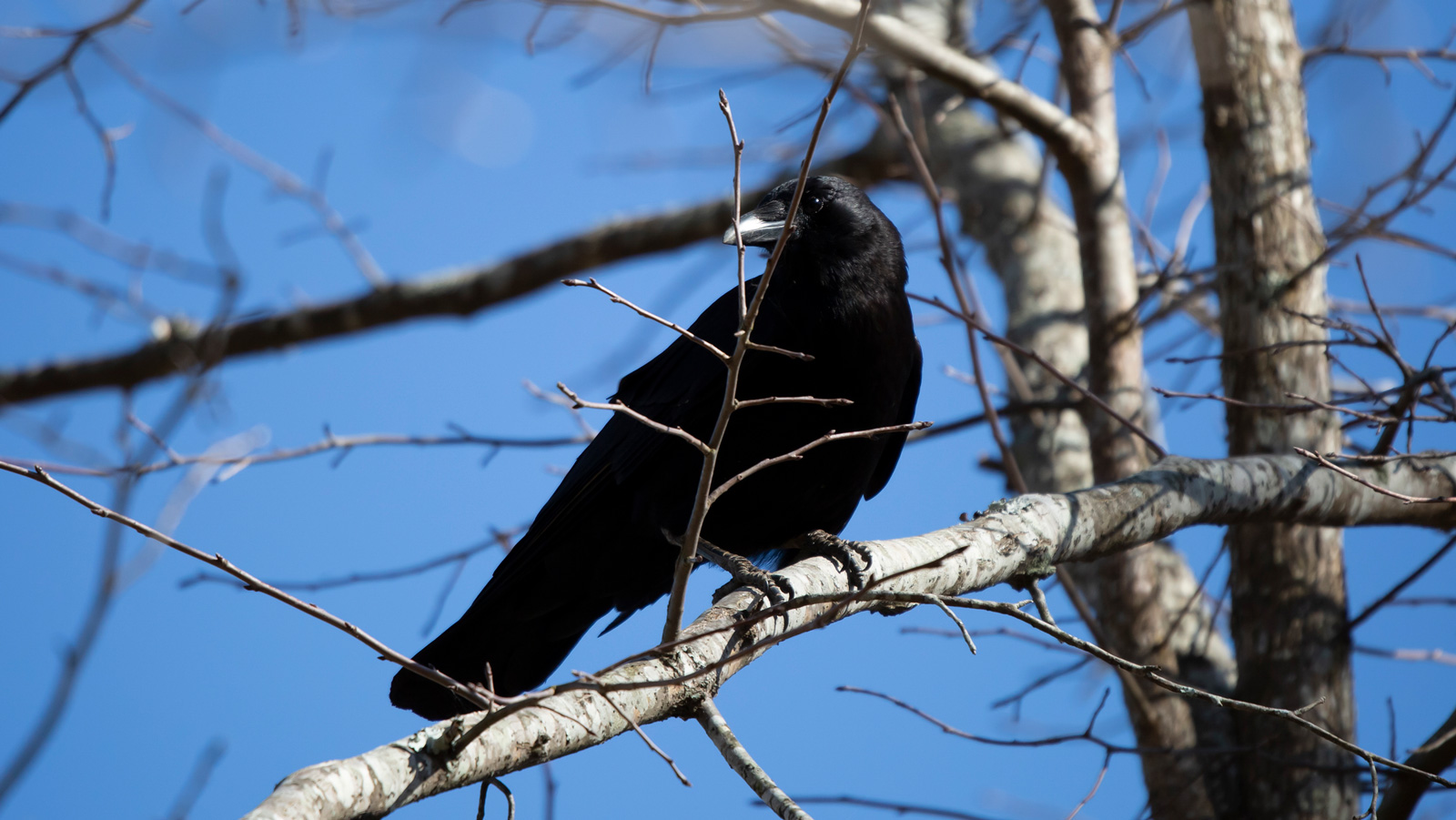
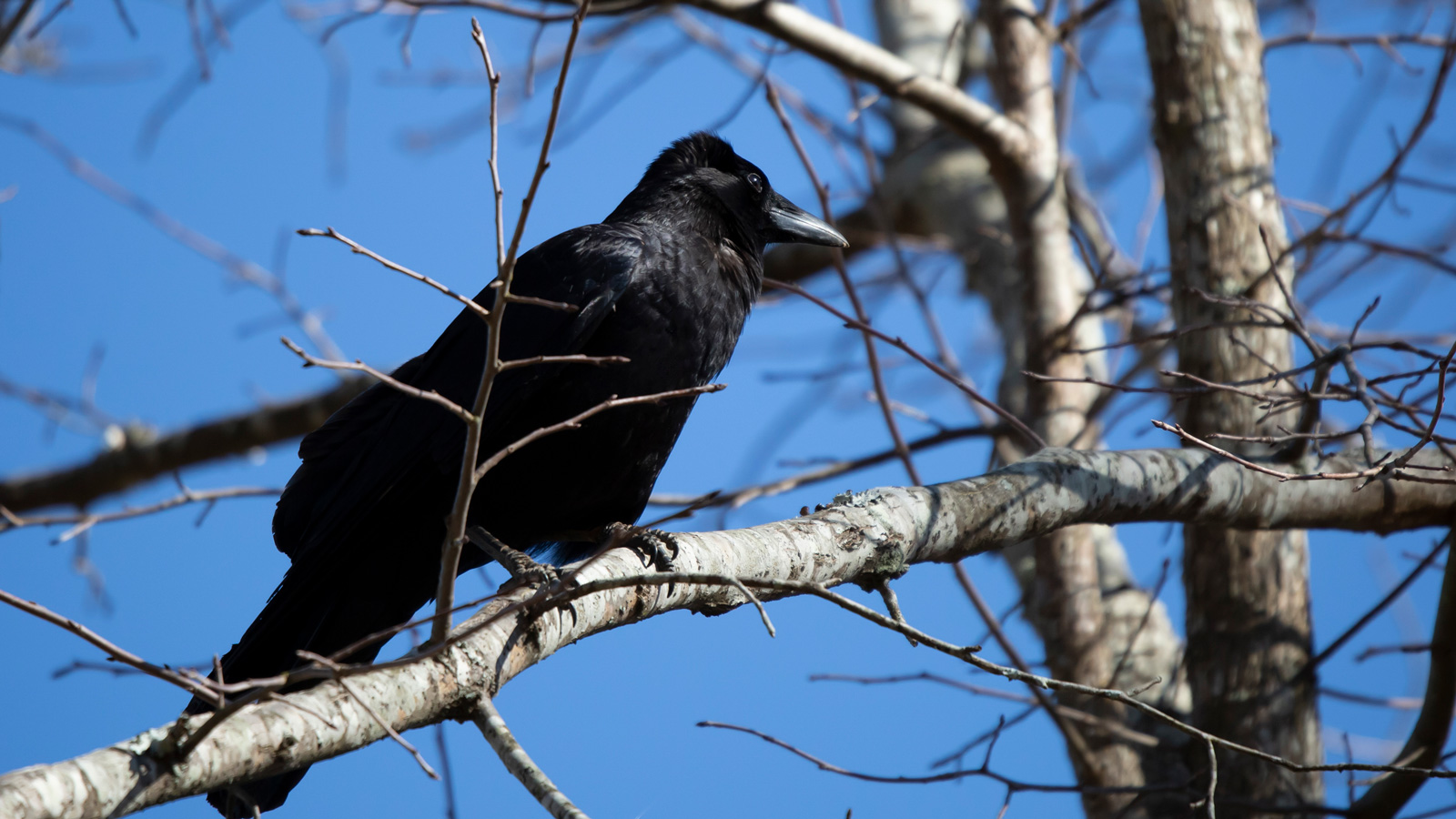
The fish crow (Corvus ossifragus) lives alongside the American crow across North Louisiana year-round, looks identical to the American crow at every distance beyond arm's reach, and separates from the American crow by exactly one field mark: the voice. A fish crow's nasal, two-noted "uh-uh" or "uh-oh" sounds nothing like the American crow's loud, harsh "caw," and that voice difference carries the entire identification burden for a bird that otherwise copied the American crow's homework on plumage, shape, size (mostly), and behavior. Two species, one color, one shape, one habitat, and the voice did all the sorting. Every other field mark failed. The voice never failed. North Louisiana sits in the overlap zone where both crow species occupy the same parishes, the same towns, the same parking lots, and occasionally the same tree. The fish crow's range centers on the southeastern United States, following river systems, coastal areas, and bottomland habitats from New England south through Florida and west along the Gulf Coast into eastern Texas. North Louisiana's river corridors (Red River, Ouachita River, Bayou Bartholomew, and the tributaries that lace the 26 parishes) pulled the fish crow inland from the coast, and the bird settled into every North Louisiana town and agricultural area that an American crow already occupied. The two species coexist without apparent conflict, without apparent competition, and without apparent awareness that the birder on the ground cannot tell them apart until one of them opens its mouth. The Voice Test A nasal, somewhat whiny "uh-uh" or "uh-oh" delivered in a higher pitch and with a more nasal quality than the American crow's "caw." That description covers ninety percent of fish crow identification in North Louisiana. The fish crow sounds like a crow with a head cold, a crow that inhaled helium, or a crow that tried to say "caw" through its nose and gave up halfway through. The American crow sounds authoritative. The fish crow sounds skeptical. Both birds sit in the same tree, and the bird that sounds annoyed rather than angry belongs to the fish crow. The two-noted "uh-uh" carries the most weight because no American crow of any age consistently produces that specific nasal two-note pattern. A single "uh-uh" from a parking lot crow in January settles the identification with more confidence than ten minutes of studying bill thickness through binoculars. The voice works in fog, at dusk, through trees, from behind buildings, and at distances where the bird shrinks to a black dot against gray sky. Every other crow field mark needed light, distance, and comparison. The voice needed ears. Young American crows complicate the voice test by producing begging calls that sound nasal and whiny enough to mimic the fish crow's adult voice. A juvenile American crow following a parent across a Ruston parking lot in June sounds more like a fish crow than like its own parent, and the begging call trips up birders who relied on voice alone without checking the season and the context. An apparently nasal crow in June or July, following a larger crow and begging, probably wore American crow genes in a juvenile wrapper. An apparently nasal crow in December, feeding independently in a parking lot without begging behavior, probably wore fish crow genes in an adult wrapper. Season and behavior provide the context the voice alone sometimes fumbles. The fish crow also gives a single-noted "cah" that sits shorter, higher, and more clipped than the American crow's "caw." The "cah" lacks the resonance and the trailing tone the American crow's "caw" carries, and a side-by-side comparison (which North Louisiana birders get for free every time both species vocalize in the same area) makes the difference obvious. The American crow projects. The fish crow clips. The American crow's "caw" fills the air. The fish crow's "cah" punches the air and stops. A crow that never called remains a crow. The identification stalls until the bird vocalizes, and a silent crow feeding on roadkill along a Lincoln Parish highway could belong to either species with equal probability. The birder who needed the voice waited for the voice. The birder who did not want to wait guessed. The guess sat at roughly fifty-fifty in the areas where both species feed side by side, which means the guess earned the same accuracy as flipping a coin and calling the identification "confirmed." eBird reviewers know this, and a crow submitted without a voice note gets flagged in areas where fish crows overlap. The voice earned the identification. The silence earned an asterisk. The photograph earned nothing, because the photograph of a fish crow and the photograph of an American crow look identical down to the pixel. The Smaller Crow (Barely) Fish crows average slightly smaller than American crows: about fourteen to sixteen inches versus the American crow's seventeen to twenty-one inches. The size difference exists on paper and vanishes in the field. A fish crow perched alone on a utility wire without a size reference could weigh anywhere on the crow spectrum, and the observer who tried to identify the bird by size alone trusted a measurement the eye cannot make at forty yards. A fish crow perched next to an American crow on the same wire might look slightly smaller, slightly slimmer, and slightly shorter-billed, but "slightly" does three hundred pounds of lifting in that sentence, and the difference sits close enough to overlap between large female fish crows and small male American crows. Two crows on the same wire, one noticeably smaller than the other? Good start. Two crows on the same wire, roughly the same size? Back to waiting for the voice. The bill sits slightly thinner and slightly less heavy than the American crow's bill, which helps at close range in direct comparison and helps approximately zero at normal field distances. The legs sit proportionally similar. The tail shape matches. Plumage matches. Iridescence matches. The flight style matches closely enough that separating the two in flight by shape alone demands optimism the field conditions rarely support. A birder who claimed to sort flying crows by shape alone either birded in unusual conditions or owned a confidence the field marks did not earn. Wing-beat cadence during flight sometimes shows a slightly faster, snappier wing-beat rhythm in the fish crow compared to the American crow's slightly deeper, more measured wing-beats. "Sometimes shows" and "slightly" carry the weight of that field mark, and the wing-beat difference fails often enough that experienced North Louisiana birders treat it as a supporting clue rather than a sorting tool. The voice sorted. Everything else suggested. What the Fish Crow Eats Fish crows eat most of the same things American crows eat, with a slightly heavier emphasis on aquatic and shoreline food sources that reflect the fish crow's historical association with water. Crawfish, frogs, fish (dead or stranded), crab, aquatic insects, and other waterline food items show up in the fish crow's diet more frequently than in the American crow's diet, though both species eat both categories. A fish crow probing a muddy bank along Bayou Bartholomew in Morehouse Parish in November picked crawfish and frogs with the same bill an American crow used to crack a pecan in the same parish the same afternoon. The diet overlap sits enormous. The dietary emphasis sits slightly different. The word "slightly" earned overtime pay in this article. Garbage, roadkill, pet food, bird eggs, nestlings, insects, grain, and fruit fill out the rest of the menu. A fish crow working a Sonic parking lot in Monroe feeds on the same dropped fries and spilled drinks the American crow worked an hour earlier, and the two species share the fast-food ecosystem without scheduling conflicts. The fish crow did not specialize in fish. The fish crow specialized in everything, with a mild fondness for waterline groceries that the common name overpromised and the diet underdelivered. Pecan raiding follows the same playbook American crows wrote. A fish crow in a Natchitoches Parish pecan orchard cracks pecans with the same bill-and-anvil technique the American crow uses, dropping the nut onto a hard surface from a height that cracks the shell without scattering the meat. The orchard owner who blamed the American crows for the damage may owe an apology to the American crows and a separate complaint to the fish crows that worked the same trees on a different shift. Nest raiding follows the same pattern the American crow established: watch the parent, find the nest, eat the contents. Fish crows raid the nests of herons, egrets, ibises, and other colonial waterbirds with an efficiency that colonial nesting concentrations make easy. A heron rookery along a North Louisiana bayou attracts fish crows the way a buffet attracts a family reunion, and the fish crows work the colony edges where unattended nests sit exposed. The colonial birds that nested in the center lost fewer eggs than the colonial birds that nested on the edge, because the edge got raided first and the center got raided only after the edges ran out. A great blue heron sitting on a nest at the rookery edge in April watched a fish crow circle the colony three times before landing on an adjacent branch and waiting. The heron left the nest for sixty seconds. The fish crow needed thirty. One egg gone, and the heron returned to a nest that contained three eggs instead of four and no evidence of the theft beyond a smear of yolk on the rim. The fish crow ate the evidence on the way back to the pine tree. Clean job. No witnesses except the birder with the spotting scope who could not intervene and did not try. The Nesting Season Fish crows nest from March through June in North Louisiana, building a stick nest in a tall tree that looks indistinguishable from an American crow's nest unless someone climbed the tree and checked the eggs (fish crow eggs average slightly smaller, but "slightly smaller crow egg in a crow-sized nest sixty feet up a pine tree" does not qualify as a field mark by any standard). Nest placement favors tall pines, oaks, and sweetgums near water, though urban fish crows nest in shade trees, parking lot trees, and any tall structure the bird deemed suitable. A fish crow nest in a pecan tree behind a Monroe strip mall sat within fifty yards of an American crow nest in a pine tree behind the same strip mall, and neither pair showed interest in the other pair's domestic arrangements. The two species nested as neighbors, not as rivals. Nest construction takes both adults about a week to ten days, using the same materials the American crow uses: sticks for the outer cup, bark strips and softer material for the lining. A fish crow pulling bark strips from a dead pine branch in April performed the same construction technique an American crow performed on the same tree the previous year, and the nests the two species built looked close enough that identifying the builder by the nest alone demanded either an egg check or a voice check when the adult returned. The nest did not announce the species. The bird that landed on the nest did. Four to five eggs per clutch, blue-green with brown spotting. Incubation lasts about sixteen to eighteen days, shorter than the American crow's eighteen days by a margin that tracks with the fish crow's slightly smaller body. Nestling period lasts roughly thirty to thirty-five days. Both parents feed the nestlings, and the fish crow occasionally practices the same cooperative breeding (helpers at the nest from previous broods) the American crow uses, though the cooperative breeding shows up less consistently in fish crows than in American crows. The fish crow family sometimes gets help. The American crow family almost always gets help. That extra labor explains part of why the American crow's breeding success edges the fish crow's in shared habitat, though both species breed well enough to keep stable populations across the 26 parishes. Fledgling fish crows follow the parents around for weeks after leaving the nest, begging with the same nasal whine that earned the adults their field identification. A fish crow fledgling begging in a Shreveport parking lot in June sounds like a fish crow, period. The begging call matches the adult's nasal tone closely enough that a fledgling fish crow's voice actually confirms the family's species better than a fledgling American crow's voice confirms its family's species (because the juvenile American crow's begging call sounds nasal enough to confuse the identification rather than confirm it). The young fish crow sounded right from day one. The young American crow sounded wrong for months. Nest defense escalates the same way American crow nest defense escalates: caws, dives, and grudges. A fish crow pair defending a nest dives at hawks, cats, and humans approaching the nest tree with the same intensity the American crow pair demonstrates, and the nasal alarm calls during nest defense sound different enough from the American crow's alarm calls that an experienced birder can identify the defending species by the alarm voice alone. The fish crow defending the nest sounded annoyed. The American crow defending the nest sounded furious. Both birds meant business. The volume and the attitude differed. River Crows and Parking Lot Crows The fish crow in North Louisiana split into two lifestyle tracks that overlap but lean in different directions. River-corridor fish crows follow the Red River, the Ouachita River, Bayou Bartholomew, and the network of bayous and creeks that drain the 26 parishes, feeding along muddy banks, flooded timber, and bottomland edges where the aquatic food sources concentrate. A fish crow feeding along the Ouachita River in Caldwell Parish works the waterline with a focus the parking-lot fish crows in Monroe did not share, and the river birds spend more time probing mud and shallow water than the urban birds spend near dumpsters. Urban fish crows in Shreveport, Monroe, Ruston, and the smaller North Louisiana towns operate as parking-lot generalists indistinguishable from the American crows they share the asphalt with. The diet in town leans toward garbage, dropped food, and opportunistic raiding, and the fish crow in a Walmart parking lot in Bossier City feeds on exactly what the American crow in the same Walmart parking lot feeds on. The two species partition the parking lot by nothing. Both birds eat the same fry. Both birds dodge the same truck. Both birds perch on the same light pole afterward and may or may not belong to the same species depending on which one called first. The two tracks blur at the edges. A river-corridor fish crow that fed along Bayou Bartholomew all morning flies to a Monroe fast-food parking lot for the lunch rush, and the urban fish crow that spent the morning at a dumpster flies to a farm pond for the afternoon crawfish run. The lifestyle split reflects tendency more than commitment, and the fish crow's flexibility between waterline feeding and parking-lot scavenging mirrors the American crow's identical flexibility. Both species switch between habitats with the ease of a bird that never pledged loyalty to either one. The Range That Keeps Growing Fish crows expanded their range inland and northward over the past several decades, and the expansion followed the same river corridors and urban sprawl patterns that brought the bird into North Louisiana in the first place. Areas that reported only American crows forty years ago now report both species year-round, and the fish crow's northward push reached well into the Ohio River valley and the mid-Atlantic states. North Louisiana sits solidly within the established range rather than at the frontier, and both crow species breed here with the settled confidence of birds that finished expanding and started living. The expansion probably tracks urbanization. Fish crows thrive in suburban and urban landscapes, and the spread of shopping centers, fast-food restaurants, and parking lots across the southeastern United States opened a second habitat track (urban scavenging) that supplemented the original habitat track (waterline feeding) and allowed the fish crow to colonize areas far from the coastal and riverine habitats the bird originally depended on. A fish crow in a Ruston parking lot in January may sit a mile from the nearest creek and show zero interest in the creek because the parking lot already met every dietary need the creek used to fill. The fish crow outgrew the river. The parking lot replaced the bayou. Winter roost behavior follows the American crow pattern: large communal roosts in tall trees, pre-roost staging flights at dusk, and daytime dispersal across a wide foraging radius. Fish crows roost with American crows in mixed-species roosts, and a winter crow roost in Shreveport or Monroe contains both species in proportions nobody can determine without recording every voice in the roost, which nobody attempted because the roost contained five thousand crows and the recorder contained limited battery life. What Hunts the Fish Crow Great horned owls hunt fish crows from the roost after dark, the same way the owls hunt American crows. The owl's silent approach through the roost trees bypasses the daytime vigilance system the crows relied on all afternoon, and a fish crow sleeping in a mixed-species roost faces the same owl risk as the American crow sleeping on the next branch. Hawks occasionally catch fish crows during the day, though the success rate stays low for the same reason it stays low against American crows: the fish crow spots the hawk, calls the alarm, and either mobs or flees before the hawk closes the distance. A Cooper's hawk that caught a fish crow outsmarted a corvid, which happens less often than the hawk would like. Raccoons and rat snakes eat fish crow eggs and nestlings from nests. The nest placement in tall trees reduces ground-predator access, but a raccoon that climbed to a fish crow nest at night found no family defenders because the family slept rather than guarded. Daytime defense stopped at dark. Nighttime climbers filled the gap. West Nile virus hit fish crow populations alongside American crow populations after 1999, and the fish crow showed similar susceptibility. Both crow species crashed during the initial outbreak years, and both recovered as the virus settled into the regional ecosystem and surviving lineages passed along whatever resistance the survivors carried. The smartest bird in the parking lot had no defense against a virus delivered by a mosquito the bird could not see, could not avoid, and could not outsmart. The crow solved the hawk problem, the cat problem, and the garbage-bag-sealing problem. The crow did not solve the mosquito problem. Where to Look Everywhere the American crow lives, with a heavier concentration near water. River corridors, bayou edges, lake margins, and flooded bottomland timber attract fish crows at slightly higher densities than dry upland fields, but the urban fish crow population spreads across every North Louisiana town without regard for the nearest water source. A fish crow in a Ruston parking lot in January may sit a mile from the nearest creek and show no interest in the creek whatsoever. The parking lot fed the crow just fine. The identification happens by ear. Walk through any North Louisiana town, parking lot, or park where crows feed, and listen. The harsh "caw" belongs to the American crow. The nasal "uh-uh" belongs to the fish crow. Both species occupy the same spaces at the same times, and the birder who listened got both species from the same bench. The birder who looked got one species (crow) and went home thinking the job was done. River crossings put fish crows within earshot year-round but especially from March through August when vocal activity peaks. The Red River bridge crossings in Bossier-Shreveport, the Ouachita River crossings in Monroe-West Monroe, and any bridge over Bayou Bartholomew produce fish crow calls on most visits. Stop on the bridge shoulder (where safe and legal), lower the window, and wait. A crow working the riverbank below the bridge calls within five minutes on a good day. On a bad day, every crow stayed quiet and every identification stayed on hold. Black Bayou Lake NWR, Cheniere Lake, and any North Louisiana lake or reservoir with a wooded shoreline attract fish crows to the waterline feeding the bird preferred before parking lots existed. A walk along the shoreline trail at Black Bayou on a May morning puts fish crow calls overhead, American crow calls from the adjacent field, and the side-by-side voice comparison lands free of charge. The ear learns the difference in one morning. The ear remembers the difference forever. Fast-food parking lots in any North Louisiana town between 11 a.m. and 2 p.m. concentrate both crow species around the same food source, and the crows vocalize frequently enough during the feeding-and-squabbling routine that both voices show up within minutes. A Shreveport Popeyes lot, a Monroe Sonic lot, a Ruston McDonald's lot: the franchise did not matter. The dropped food mattered, and both crow species showed up for it. Sewage treatment ponds and their weedy margins attract fish crows to the waterline feeding habitat the bird evolved around. A walk around a rural wastewater facility in any North Louisiana parish between March and September puts fish crows within earshot along the pond edges, often mixed with American crows, grackles, and whatever else the sewage pond's insect buffet attracted. Not glamorous. Productive. Where to Learn More Cornell Lab of Ornithology's All About Birds covers the fish crow's range expansion, voice comparison with the American crow, and the breeding ecology that parallels the American crow's system. The Macaulay Library call recordings let birders train the ear before the field test, and the side-by-side playback of American crow "caw" versus fish crow "uh-uh" settles the voice difference faster than any written description can. Sibley's Guide to Birds gives the American crow versus fish crow comparison on the same page, with flight silhouettes and size ranges that document the overlap problem and confirm what every North Louisiana birder already learned: the voice sorts them, and everything else tries. Experiencing This Bird: Accessibility Notes The nasal "uh-uh" sits at a mid-frequency range most people hear clearly, and the nasal quality distinguishes it from the American crow's harsher "caw" by tone rather than by volume. Both calls carry well across open areas, and both calls repeat frequently enough that a stationary listener in any North Louisiana town hears both species within the first fifteen minutes of paying attention. The ear catches the fish crow before the eye does, because the eye sees "crow" and stops looking, while the ear catches "wrong crow sound" and keeps listening. Once you learn the difference, you hear fish crows everywhere you used to hear only American crows. The fish crows were always there. The ear just needed the update. For anyone with mobility limitations, the fish crow lives in the same towns, the same parking lots, and the same parks the American crow occupies. Zero special access needed. The fish crow feeds within view of any window, porch, or vehicle in North Louisiana that overlooks a space where crows gather. Listen for the nasal note. The fish crow announced the identification. The binoculars stayed in the case.
Advertisement
Seasonal Activity Pattern
When you're most likely to spot Fish Crow in North Louisiana, broken down by season. Activity shifts with temperature and daylight — what's nocturnal in a Louisiana summer may be out at midday in January.
Spring
Mar – May
Dawn
Morning
Midday
Evening
Night
Active when weather and habitat conditions fit the species profile.
Summer
Jun – Aug
Dawn
Morning
Midday
Evening
Night
Often most visible around food, cover, flowers, water, or breeding habitat described on the page.
Fall
Sep – Nov
Dawn
Morning
Midday
Evening
Night
Fall activity depends on migration, temperature, food supply, and habitat conditions.
Winter
Dec – Feb
Dawn
Morning
Midday
Evening
Night
Winter visibility is reduced unless the source profile describes winter residency or mild-weather activity.
Photo Gallery
Advertisement
Accessibility
The nasal "uh-uh" sits at a mid-frequency range most people hear clearly, and the nasal quality distinguishes it from the American crow's harsher "caw" by tone rather than by volume. Both calls carry well across open areas, and both calls repeat frequently enough that a stationary listener in any North Louisiana town hears both species within the first fifteen minutes of paying attention. The ear catches the fish crow before the eye does, because the eye sees "crow" and stops looking, while the ear catches "wrong crow sound" and keeps listening. Once you learn the difference, you hear fish crows everywhere you used to hear only American crows. The fish crows were always there. The ear just needed the update.
For anyone with mobility limitations, the fish crow lives in the same towns, the same parking lots, and the same parks the American crow occupies. Zero special access needed. The fish crow feeds within view of any window, porch, or vehicle in North Louisiana that overlooks a space where crows gather. Listen for the nasal note. The fish crow announced the identification. The binoculars stayed in the case.
Advertisement