Advertisement
Fun Facts
Did You Know?
In November 1902, President Theodore Roosevelt traveled to Sharkey County, Mississippi, to settle a border dispute between Mississippi and Louisiana. Because this was Teddy Roosevelt, and the man could not sit still, he also scheduled a bear hunt. His guide was Holt Collier, a formerly enslaved outdoorsman who had killed over 3,000 bears in his lifetime. Roosevelt later called Collier the greatest hunter and guide he had ever known. That is not a small compliment coming from a man who hunted on four continents
If This Animal Could Talk...
"Watch closely, respect my space, and let my habitat explain the rest of the story."
These days, if a bear hasn’t wandered into your town over the past two decades, well, your town should take it personally. But, if you grew up in 1980s Louisiana, you probably heard about bears the way you heard about other things that used to be true. Bears used to be in these parts, whichever parts those happened to be. Cinnamon bears and blonde bears and pretty much every Care Bear color you could think of, somebody’s grandfather had a story, somebody’s uncle had a photograph, somebody at the deer camp swore on a stack of Bibles that his daddy saw one in the bottom in 1962. The Louisiana black bear existed in living memory the way a lot of things do: vivid, specific, and firmly in the past tense. A legend in the making, not quite gone but definitely not here anymore, not really, not enough to matter.
The number that puts it in focus: by the early 1990s, there were maybe 150 of them left. A hundred and fifty. You could fit the entire breeding population of Louisiana’s state mammal into a high school gymnasium and still have room for the bleachers.
Photo Gallery
What Is the Louisiana Black Bear Often Confused With?
These days, if a bear hasn’t wandered into your town over the past two decades, well, your town should take it personally. But, if you grew up in 1980s Louisiana, you probably heard about bears the way you heard about other things that used to be true. Bears used to be in these parts, whichever parts those happened to be.
Drag the handle left and right to compare Louisiana Black Bear side by side with the species it gets mistaken for most.
1 of 3
Advertisement
Accessibility
Accessibility
Louisiana black bear observation works best as a slow, road-based, sign-reading exercise, and that approach suits accessibility well. The Tensas River NWR near Tallulah in Madison Parish has roads and accessible facilities through prime bear habitat. Vehicle travel on refuge roads covers bottomland hardwood without walking, and the slow-moving road-based approach suits bear observation: bears tolerate vehicles somewhat better than pedestrians, and road observation lets you cover habitat efficiently.
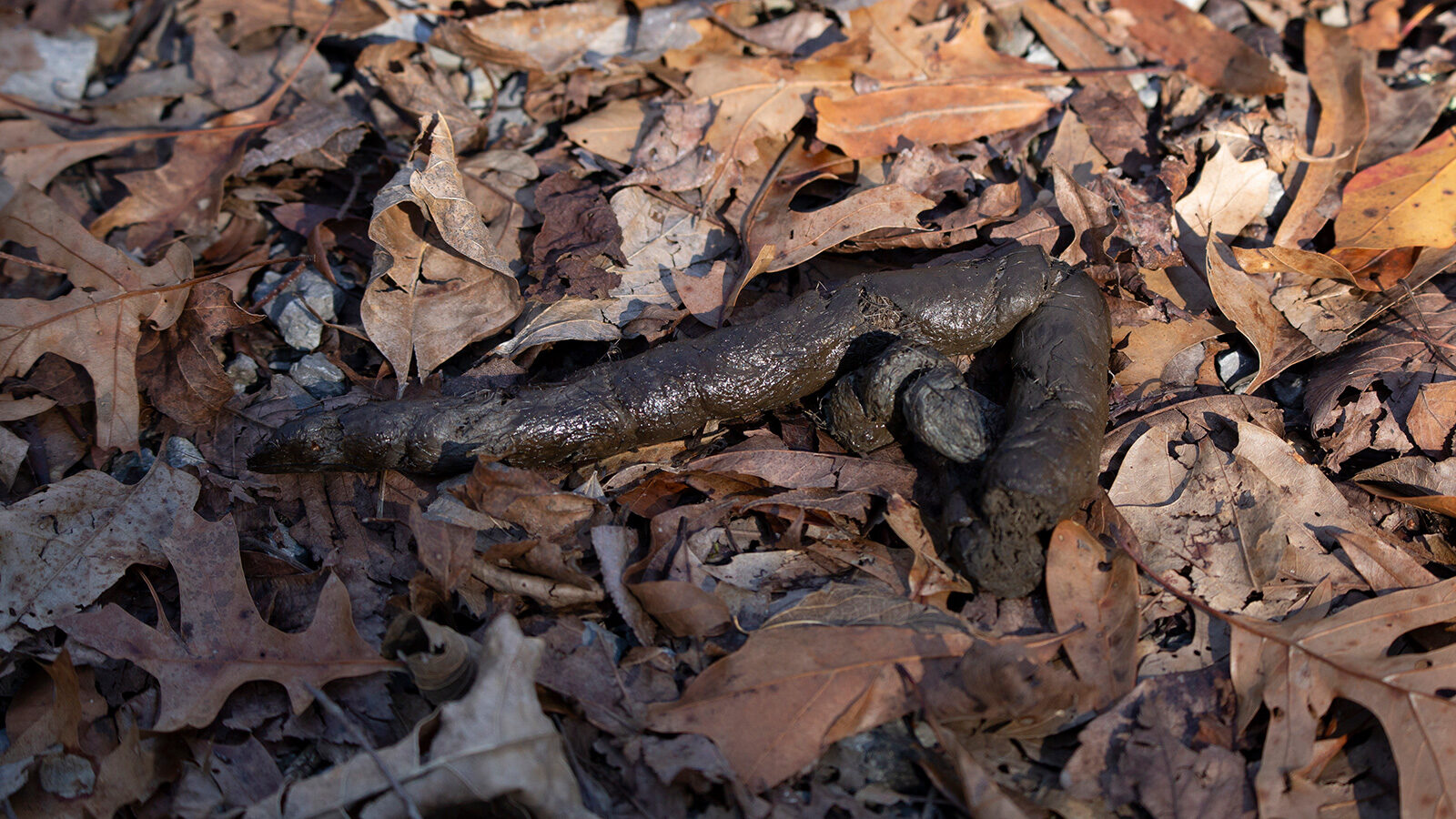
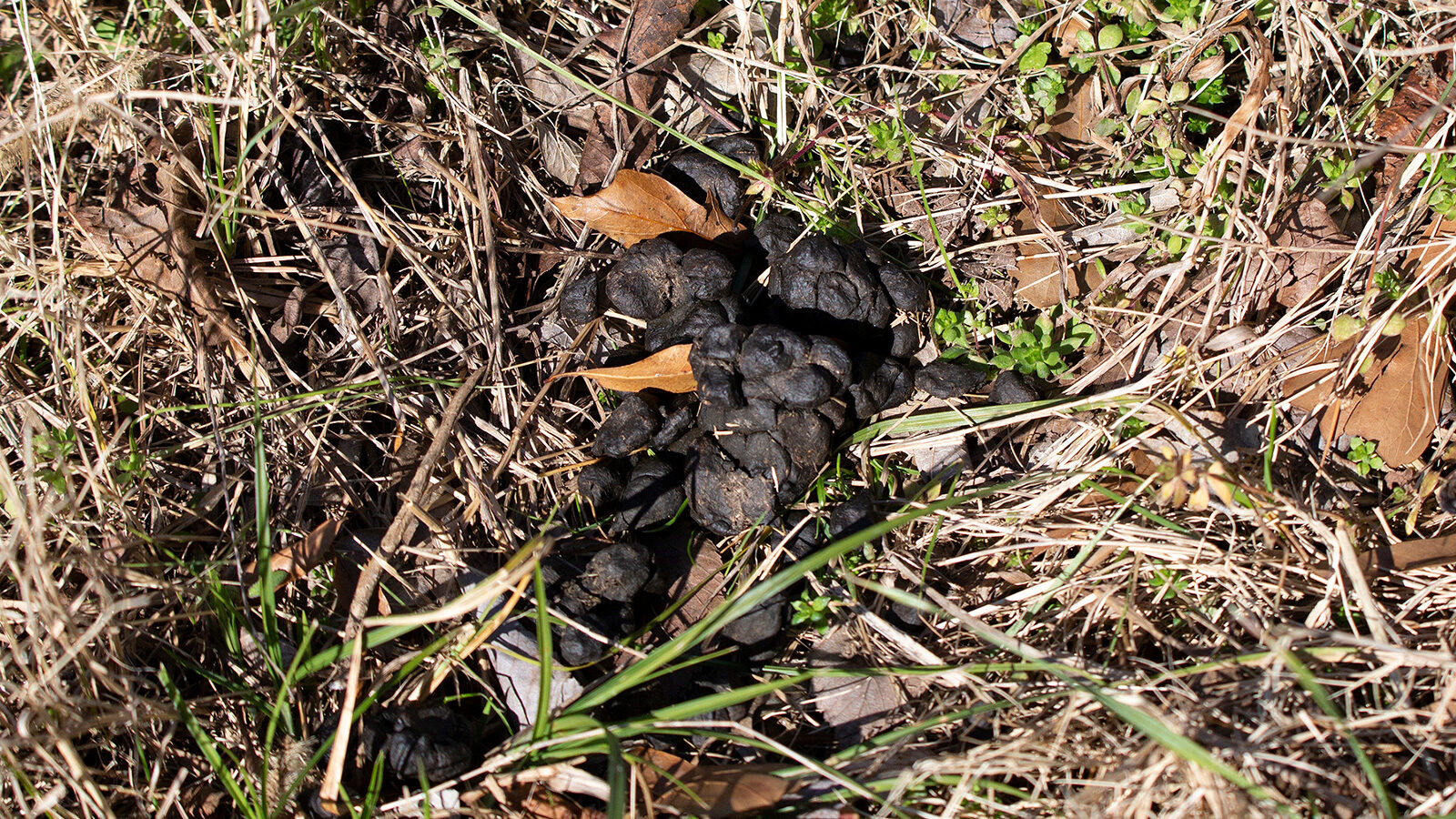
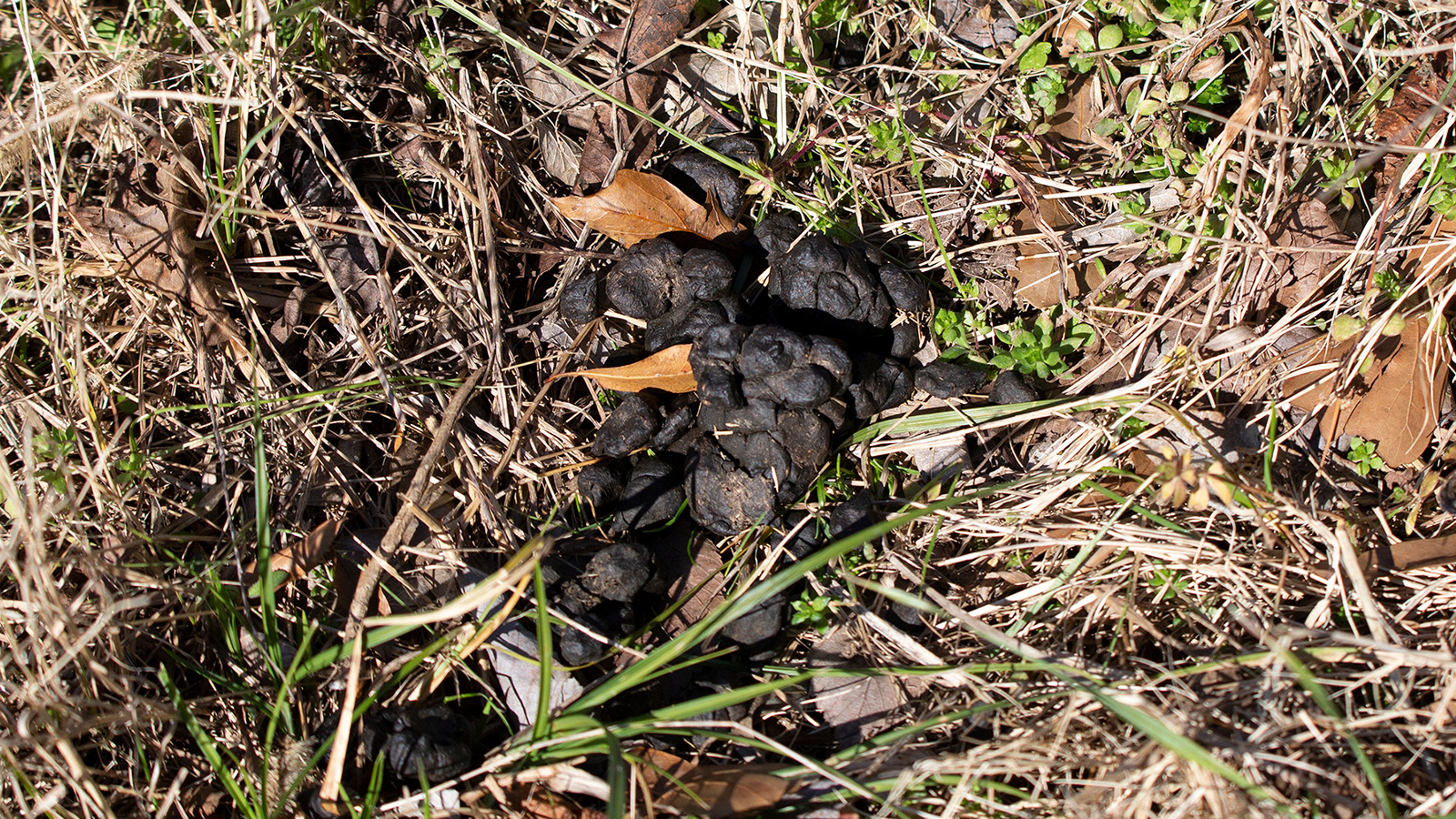
The sign-reading approach, tracks, raked trees, scat, is accessible from roadsides and pulloffs without leaving a vehicle. Fresh tracks in mud after rain along levee roads and forest road shoulders are the most reliable evidence of bear presence in the area and are visible from the road edge. Refuge staff can advise on which areas have had recent activity.
For visitors who are blind or have low vision, bear sign is primarily visual, but a companion familiar with the landscape can translate what the ground communicates. Bear sound is limited compared to bird species, but a bear moving through dry leaf litter or crossing gravel roads delivers audible ground-level sound that differs in weight and rhythm from deer or hog movement once you've learned the baseline sounds of bottomland forest.
A bear raking a tree creates a distinctive woody sound audible at close range, and a bear moving through brush, deliberate, heavy, delivers a cadence that doesn't match anything else in the swamp once you know what to listen for.
The woods communicate in sign that goes beyond sound. The smell of a bear that's recently passed through an area, a musk that's different from deer or hog, is something experienced woodspeople describe as immediately recognizable once encountered. It's not a subtle smell.
Advertisement
Frequently Asked Questions
Does Louisiana Black Bear live in North Louisiana?
Yes. Soft mud after rain is prime reading material, and the first time you see a track that big in North Louisiana, the math happens automatically. The lottery tag revenue goes directly back into bear research and management: annual live-trapping, radio-collaring, winter den checks, and non-invasive hair sampling to track range expansion across the 26 parishes. Where to See Louisiana Black Bears in North Louisiana
How do you identify Louisiana Black Bear?
These days, if a bear hasn’t wandered into your town over the past two decades, well, your town should take it personally. But, if you grew up in 1980s Louisiana, you probably heard about bears the way you heard about other things that used to be true. Bears used to be in these parts, whichever parts those happened to be
What does Louisiana Black Bear eat?
Dinner Plans: What They Eat and When. The diet shifts with the seasons in a way that makes the bear one of the most ecologically interesting animals in the state. In spring, the diet centers on fresh greens, dewberries, blackberries, leaf buds, whatever comes up after winter
Is Louisiana Black Bear dangerous to people?
No. This species is not dangerous to people when it is observed without handling or disturbance