Advertisement
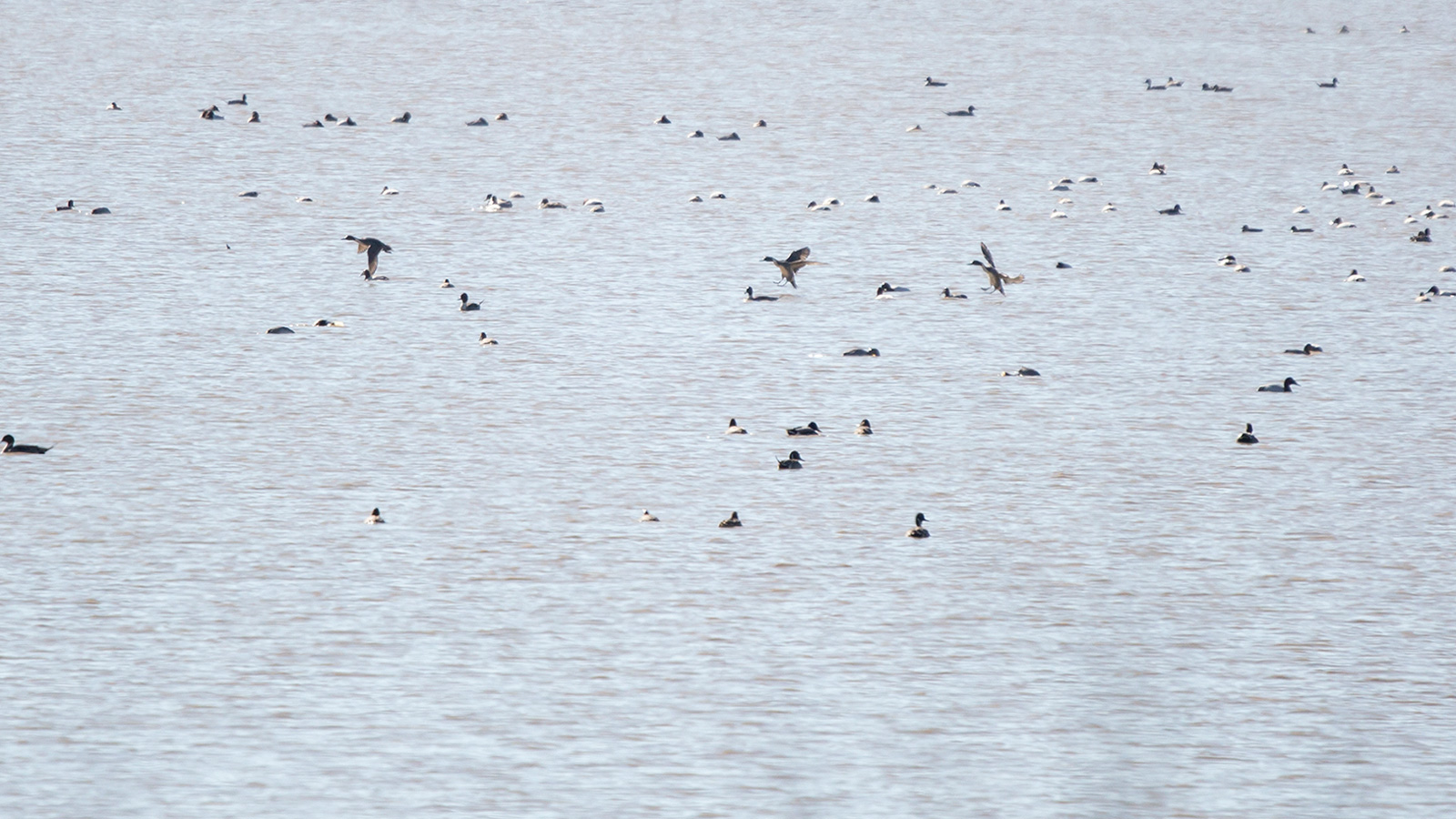
You drove past the same farm pond every morning for three years. Mallards in winter, a few wood ducks in the cypress slough behind the levee, maybe a pied-billed grebe bobbing around like a bath toy somebody forgot. Then one Tuesday in April, a slate-blue duck appeared on the water. Not a mallard. Not anything you recognized from a field guide. Bigger than the wild ducks, calmer, with a white bib on the chest like somebody dressed them for dinner. The Blue Swedish Duck just showed up, the way domestic ducks do in North Louisiana, and now they live on your pond.
The Blue Swedish Duck (Anas platyrhynchos domesticus) belongs to the same domesticated mallard lineage that gave the world the Pekin, the Rouen, and about forty other breeds humans engineered from wild stock over thousands of years. But the Blue Swedish stands out. They wear blue-gray plumage that catches light differently depending on the angle, shift from slate to almost lavender in direct sun, and carry a white chest patch that varies from a neat bib to a sprawling napkin depending on the individual. They look like somebody ordered a mallard in a color that doesn't exist in nature, and honestly, that description lands pretty close to the truth.
These ducks trace their origins to Pomerania, the Baltic coastal region that bounced between Swedish and German control for centuries. When the breed first appeared in written records during the early 1800s, Pomerania belonged to Sweden, so the name stuck. The "Swedish" part survived even after the region became German, because nobody asked the ducks what country they preferred, and renaming an established breed creates the kind of poultry drama nobody needs.
Breeders brought the first Blue Swedish Ducks to the United States in 1884. The American Poultry Association recognized the breed in 1904, which meant judges at county fairs finally knew what to do with the blue duck somebody always showed up carrying. In North Louisiana, Blue Swedish Ducks appear on farm ponds, homesteads, small acreage operations, and the occasional retention pond where somebody released a pair and walked away. They thrive in the region's climate, handle the summers better than several other heritage breeds, and forage with enough enthusiasm to keep bug populations honest around garden borders.
How to Identify a Blue Swedish Duck
The first thing you notice about a Blue Swedish Duck standing next to wild mallards: size. A Blue Swedish drake weighs between six and a half and eight pounds. Hens weigh five and a half to seven. Wild mallard drakes average around two and a half pounds. Put a Blue Swedish next to a wild bird and the domestic duck looks like somebody inflated a mallard to 150 percent and repainted the chassis.
The plumage runs blue-gray across the body, darker on the head and neck of drakes, slightly lighter on hens. That blue coloring comes from a fascinating genetic situation. The "blue" gene operates as an incomplete dominant allele. When a duck carries one copy of the blue gene and one copy of the black gene, the result lands right in the middle: blue-gray feathers. Two copies of the blue gene produce a washed-out splash pattern, almost silver-white with irregular blue patches. Two copies of the black gene produce solid black. Breeders who cross two blue ducks together get roughly 25 percent black offspring, 50 percent blue, and 25 percent splash. Every hatch turns into a genetics lottery, and the splash ducklings always look like somebody spilled bleach on them.
The white chest bib stands out as the breed's signature marking. Show-quality Blue Swedish Ducks carry a clean white bib starting at the base of the neck and ending mid-chest. Farm ducks and feral birds rarely show that clean a line. Most Blue Swedish Ducks wandering around North Louisiana ponds wear bibs that range from a tight patch to an irregular splash that creeps up the neck or spreads across the belly. Nobody grades feral ducks on conformation, so the sloppy bibs just add character.
Drakes carry a greenish-black head that shimmers in the same iridescent way a wild mallard drake's head does, though darker and more subdued. The bill on a drake runs blue-green. Hen bills run darker, usually a slate blue-gray. Both sexes show orange feet and legs, though the orange tends toward a deeper, more muted shade than the bright traffic-cone orange on a Pekin.
The body shape reads heavy and rectangular. Blue Swedish Ducks stand more upright than wild mallards but not as vertical as an Indian Runner. They waddle with purpose rather than speed, carry their tails low, and move through water with the casual authority of a duck that never needed to outrun a peregrine falcon. Wild ducks flush at the first hint of a shadow overhead. A Blue Swedish Duck glances up, decides the hawk probably means somebody else, and goes back to eating.
Advertisement
Origin and Breed History
The Blue Swedish Duck emerged from the farmyards of Pomerania sometime in the early 1800s, though the exact origin story stays murky. Breeders in the Baltic region selected for the blue-gray plumage, sturdy frame, and calm disposition that made these ducks useful on small farms. The breed served a dual purpose: decent egg production (100 to 150 eggs per year, in shades ranging from white to blue-green) and enough body weight to put a roast duck on the table when the season called for culling the flock.
Swedish farmers favored the blue plumage for a practical reason beyond aesthetics. Darker ducks stood out less to predators in the low-light conditions of Scandinavian winters. A white Pekin on a frozen pond practically glows in twilight. A Blue Swedish Duck blends into the gray landscape. Whether that selection pressure actually reduced predation losses or just made farmers feel better about their choices, nobody documented carefully enough to settle the question.
The breed crossed the Atlantic in 1884 and found an audience among American smallholders who wanted a calm, productive, cold-hardy duck breed. The American Poultry Association's 1904 recognition cemented the Blue Swedish Duck's place in the American poultry fancy, though the breed never achieved the commercial dominance of the Pekin. Factory farming favored the Pekin's rapid growth and white feathers (white pin feathers leave cleaner-looking carcasses after plucking). The Blue Swedish Duck, with blue-gray pin feathers that show against the skin, never fit the industrial model. They survived as a heritage breed, kept by small farmers, hobbyists, and the growing network of homesteaders who value breed diversity over production volume.
The Livestock Conservancy currently lists the Blue Swedish Duck on their watch list, meaning the breed population remains small enough to warrant monitoring but stable enough that nobody rings alarm bells. In North Louisiana, Blue Swedish Ducks show up wherever small-scale farming, hobby poultry keeping, and the "I saw pretty ducks at the feed store" impulse intersect. Tractor Supply seasonal duck bins move a lot of Blue Swedish ducklings every spring, and a meaningful percentage of those ducklings end up on farm ponds within six months.
Where You Will Find Them in North Louisiana
Blue Swedish Ducks in North Louisiana fall into three categories: flock birds on working farms, backyard ducks on small acreage, and feral or semi-feral birds living on ponds and lakes where somebody released a pair and moved on with their life.
Farm pond populations anchor the breed's presence across the 26 parishes. Drive the back roads of Lincoln, Union, or Jackson Parish and you will spot domestic ducks on farm ponds mixed in with wild mallards during winter. The Blue Swedish Ducks stand out immediately. They waddle up the bank when a truck pulls over, expecting corn. Wild mallards flush to the far side of the pond. That behavioral difference tells you everything about which ducks grew up around people and which ones didn't.
Retention ponds in suburban and semi-rural developments collect domestic ducks the way storm drains collect leaves. People buy ducklings at Easter, realize six weeks later that ducks produce an astonishing volume of waste, and release them at the nearest body of water. Blue Swedish Ducks, Pekins, and mixed-breed domestics end up sharing space on ponds designed for stormwater management, not waterfowl habitat. These ducks survive because North Louisiana's mild winters and abundant invertebrate populations make year-round foraging viable. They struggle because retention ponds lack the vegetative cover, nesting habitat, and predator buffers that farm ponds with proper management provide.
Homesteads across Ouachita, Morehouse, Bossier, and Caddo Parishes keep Blue Swedish Ducks as part of integrated small-farm operations. The breed's foraging ability makes them effective pest control around gardens. A flock of six Blue Swedish Ducks working the rows between raised beds will demolish slug, snail, and beetle populations without the chemical intervention that kills beneficial insects alongside the pests. The ducks eat the bugs, fertilize the soil in the process, and lay enough eggs to justify the feed bill. That closed-loop appeal drives most intentional Blue Swedish Duck ownership in the region.
You will also find them at farmers' markets. Breeders in the Ruston, Monroe, and Shreveport areas sell Blue Swedish ducklings and hatching eggs through spring and early summer. The breed's calm temperament makes them popular with families who want ducks for eggs and entertainment rather than pure production. A Blue Swedish Drake standing at the edge of a garden bed, supervising his flock while they eat Japanese beetles, delivers the kind of backyard scene that sells the homesteading dream better than any Instagram filter.
Advertisement
Behavior and Temperament
Blue Swedish Ducks rank among the calmest domestic duck breeds, which explains their popularity with small-farm operators and families with children. Where Muscovy ducks hiss and Pekins panic at sudden movements, Blue Swedish Ducks respond to most disturbances with what can only be described as mild irritation. They notice you. They do not approve of the interruption. They return to foraging within thirty seconds.
Drakes rarely show aggression toward humans, though breeding season (February through June in North Louisiana) can bring out territorial displays toward other drakes. These displays involve chest-bumping, wing-flapping, and a low, raspy vocalization that sounds less like a threat and more like a complaint filed in triplicate. Hens quack louder and more frequently than drakes, which surprises people who assume all ducks sound the same. A Blue Swedish hen alarm-calling at 5:30 in the morning because a raccoon walked through the yard three hours ago will teach you the difference between drake and hen vocalizations faster than any field guide.
Foraging dominates the Blue Swedish Duck's daily routine. These ducks spend the majority of daylight hours working through mud, shallow water, leaf litter, and garden beds, searching for insects, snails, slugs, worms, and aquatic invertebrates. They dabble in shallow water the same way wild mallards do, tipping forward to reach submerged vegetation and invertebrates while their tails point skyward. On land, they probe soft soil with their bills and use a side-to-side sweeping motion to uncover buried prey items. That sweeping behavior tears up mulch, disturbs garden rows, and creates the kind of crater-pocked landscape that makes neat-freak gardeners reconsider the whole duck experiment.
Blue Swedish Ducks swim well but spend more time on land than many domestic breeds. They patrol pond banks, grassy areas, and shaded spots under trees with a steady waddle that covers surprising ground over the course of a day. A flock of Blue Swedish Ducks given access to an acre of mixed terrain will work every square foot of it by sunset, leaving behind a trail of disturbed soil, fertilized patches, and the satisfied silence that follows a thorough bug purge.
They roost on the ground rather than perching, usually in a sheltered spot near water. Farm ducks with proper housing return to the coop at dusk with minimal training, especially once they associate the coop with evening feed. Feral Blue Swedish Ducks on open ponds tuck into shoreline vegetation, under dock structures, or against the bases of trees. They sleep with one eye open, literally. Unihemispheric sleep allows ducks to rest half the brain while the other half monitors for predators, a trait they inherited from their wild mallard ancestors and maintained through domestication even though most of them live in yards where the biggest threat carries a garden hose.
Advertisement
Diet and Feeding
Blue Swedish Ducks eat almost anything, which makes feeding them straightforward and watching them eat endlessly entertaining. On a managed farm, the diet centers on commercial waterfowl feed (pellets or crumbles with 16-18 percent protein for adults, higher for ducklings) supplemented by whatever the ducks find while foraging. On a feral pond, the diet becomes whatever the pond and its margins provide, plus whatever people throw from the bank.
Natural forage includes aquatic invertebrates, snails, slugs, earthworms, beetles, grubs, mosquito larvae, crawfish (in shallow water), tadpoles, small frogs, duckweed, algae, grass, clover, and fallen fruit. A Blue Swedish Duck working the muddy margin of a North Louisiana farm pond in June will encounter all of those food items within a ten-foot stretch of shoreline. They eat with the enthusiasm and table manners of a dog discovering an unattended birthday cake.
Crawfish make up a meaningful portion of the diet for ducks living near flooded fields, drainage ditches, and crawfish ponds in the Red River floodplain parishes. The ducks grab juvenile crawfish from shallow water and mud, shaking them to stun them before swallowing. Adult crawfish with established defensive claws give the ducks more trouble, but Blue Swedish Ducks solve most crawfish-related problems through persistence rather than technique.
The bread problem deserves mention because every article about domestic ducks on public ponds eventually gets to the bread problem. People feed bread to ducks. Ducks eat the bread. Bread fills ducks up without providing the nutrients they need, leading to malnutrition in birds that appear well-fed. Uneaten bread sinks, decomposes, fuels algae blooms, and degrades water quality. The cycle creates overweight, malnourished ducks living on increasingly toxic ponds, which sounds like a metaphor for something but really just describes Tuesday at the retention pond behind the shopping center.
Better alternatives for people who want to feed ducks: cracked corn, frozen peas (thawed), chopped lettuce or kale, mealworms, and commercial duck feed pellets. All of these provide actual nutrition without turning the pond into a science experiment about anaerobic decomposition.
Reproduction and Nesting
Blue Swedish hens start laying between five and seven months of age, depending on the time of year they hatched and the quality of their nutrition. Egg production runs between 100 and 150 eggs per year, with peak laying from February through June in North Louisiana's climate. The eggs range from white to blue-green, and the shell color often varies within the same hen's production across a season. One week you get white eggs. The next week, the same hen produces eggs with a faint blue-green tint. Nobody knows why, and the hen offers no explanation.
Nest construction follows the standard dabbling duck playbook. Hens scrape a shallow depression in the ground, line the nest with vegetation and down feathers plucked from their own breast, and deposit one egg per day until the clutch reaches eight to fourteen eggs. Incubation begins after the last egg drops and runs approximately 28 days. Hens sit tight during incubation, leaving the nest briefly once or twice daily to eat, drink, and defecate an enormous, concentrated dropping that smells like a biohazard event. That nest break dropping exists specifically to avoid fouling the nest, which works as a strategy but transfers the problem to whoever walks through the yard barefoot.
Ducklings hatch covered in dark down, often nearly black with lighter patches. They follow the hen off the nest within 24 hours, already capable of walking, swimming, and feeding themselves on tiny invertebrates and soft vegetation. The hen provides protection, warmth during brooding, and navigation, but ducklings eat independently from day one. A hen marching twelve dark, fuzzy ducklings across a driveway toward the pond looks like a parade nobody planned but everybody stops to watch.
Duckling survival on managed farms runs high when predator protection exists. On feral ponds, survival drops dramatically. Snapping turtles pull ducklings under from below. Hawks and owls take them from above. Raccoons, opossums, and feral cats raid nests and pick off stragglers. A hen that starts with twelve ducklings and finishes the season with five did well by feral standards. The Blue Swedish Duck compensates through reproductive output, putting enough ducklings on the water each year to absorb the losses and maintain the population.
The genetics of breeding Blue Swedish Ducks create interesting results for hobby breeders and frustrating results for people who want uniform flocks. That incomplete dominant blue gene means every cross between two blue parents produces a mixed-color hatch: roughly half blue, a quarter black, a quarter splash. Breeders who want pure blue offspring learn quickly that "pure blue" doesn't breed true, and the black and splash ducklings that show up in every hatch either find new homes, join the general farm flock, or get named by the kids before anyone can make a culling decision.
Advertisement
Predators and Survival
Domestic ducks lack every survival instinct that keeps wild ducks alive. Wild mallards flush at the snap of a twig. Blue Swedish Ducks waddle toward the snap, assuming it means food. This behavioral deficit makes predator management the single most important factor in keeping domestic ducks alive in North Louisiana.
Coyotes top the predator list across all 26 parishes. A coyote finding an unfenced flock of Blue Swedish Ducks on a farm pond at dusk will kill multiple birds in a single visit, often killing more than they eat. The surplus killing behavior means one bad night erases a flock that took two years to build. Coyote-proof fencing (at minimum, four-foot welded wire with an apron or buried base) stops most ground predator access to enclosed runs.
Great Horned Owls take adult ducks off nighttime roosts with enough regularity that experienced duck keepers consider owls the most dangerous aerial predator. A Great Horned Owl lands silently, kills with talon pressure to the skull, and carries birds up to the owl's own body weight. A seven-pound Blue Swedish hen falls within the hunting capacity of a large female Great Horned Owl. Covered runs or enclosed coops at night provide the only reliable defense.
Cooper's Hawks and Red-tailed Hawks take smaller ducks and ducklings during daylight hours. Overhead wire or netting across open runs deters hawk strikes but limits the free-range foraging that makes duck keeping worthwhile in the first place. Most North Louisiana duck keepers accept hawk risk as the cost of free-ranging and mitigate through cover: shrubs, dock structures, and overhanging trees give ducks escape routes when a shadow crosses the water.
Raccoons kill ducklings, eat eggs, and occasionally take adult ducks if they can corner one on land. Raccoon predation spikes in spring and early summer when duckling populations peak and raccoon families forage intensively to feed growing kits. Secure nighttime housing with latching doors (raccoons open simple hook-and-eye latches) provides the best defense.
Snapping turtles deserve special mention for feral duck populations. A large Common Snapping Turtle stationed in a farm pond will pull adult ducks under and drown them. Most farm pond duck losses that nobody witnesses trace back to snapping turtles. The duck disappears without a feather left behind, without a sound, and the pond looks exactly the same the next morning. Only a declining head count tells the story.
Bobcats, feral dogs, mink, and the occasional alligator round out the predator roster. Blue Swedish Ducks survive in North Louisiana despite all of this because people maintain them, replace losses, and provide the predator buffers that domestic birds cannot provide for themselves. Feral populations persist where predator density stays low enough and food resources stay rich enough to sustain replacement-level reproduction. When the balance tips, feral flocks shrink and eventually vanish, leaving behind nothing but the memory of a blue duck that used to live on that pond.
Advertisement
Health and Common Issues
Blue Swedish Ducks bred from diverse genetic stock stay healthy under reasonable management conditions. The breed carries no genetic predisposition to major diseases, tolerates North Louisiana's humid summers better than heavy-bodied breeds like the Rouen, and resists the respiratory issues that plague chickens in damp conditions. Ducks in general handle moisture better than chickens because ducks evolved to spend time in water. Their respiratory systems tolerate ambient humidity that would trigger mycoplasma infections in a chicken coop.
Bumblefoot (pododermatitis) develops when bacteria enter the foot pad through small cuts or abrasions. Ducks walking on gravel, concrete, or rough ground develop calluses that crack and admit staph bacteria. The resulting abscess forms a hard kernel in the foot pad, causing lameness. Prevention depends on soft ground cover in high-traffic areas: grass, sand, or wood shavings. Treatment involves lancing the abscess, removing the kernel, and applying antibiotic ointment under a wrap. The procedure sounds medieval and looks worse, but most ducks recover fully within two weeks.
Angel wing (slipped wing) affects ducklings fed high-protein diets during the feather growth phase. The flight feathers grow faster than the supporting structures, twisting the wing tip outward. In wild ducks, angel wing means death by predation because the affected bird cannot fly. In domestic ducks that never fly anyway, angel wing creates a cosmetic issue more than a survival one. Reducing protein content during the feather growth phase prevents the condition entirely.
Internal parasites (roundworms, tapeworms, gizzard worms) affect ducks that forage on open ground, especially near areas where wild birds concentrate. Fecal testing through a veterinarian identifies the specific parasite, and targeted deworming solves the problem. Blanket deworming without testing creates resistance, which makes the next infection harder to treat. North Louisiana poultry veterinarians handle domestic duck health with increasing frequency as the hobby poultry community grows.
Egg binding affects hens with calcium deficiencies or hens producing oversized eggs. A bound hen strains visibly, stops eating, and becomes lethargic. Warm water soaks, calcium supplementation, and gentle massage resolve most cases. Severe binding requires veterinary intervention. Providing oyster shell free-choice alongside regular feed prevents calcium deficiency and keeps eggshell quality high throughout the laying season.
The Blue Swedish Duck and Wild Waterfowl
Blue Swedish Ducks on North Louisiana ponds share space with wild waterfowl, and the interactions range from indifferent coexistence to outright hybridization. Wild Mallards and domestic ducks share enough recent common ancestry that interbreeding happens readily. A wild mallard drake discovering a flock of domestic hens on a farm pond will not hesitate to breed, and the resulting hybrid offspring blur the already complicated line between wild and domestic.
Hybrid offspring from Blue Swedish and wild mallard crosses show variable plumage, often carrying patches of blue-gray alongside standard mallard markings. These hybrids survive better than pure domestics in feral settings because they inherit some wild wariness along with the domestic body size. Over several generations, a feral flock descended from domestic releases and wild mallard crosses starts looking less like any specific breed and more like a confusing mix that sends birders to online identification forums with frustrated questions.
The ecological impact of domestic ducks on wild populations generates ongoing debate. Domestic ducks on public ponds concentrate waterfowl in areas with limited habitat, increase disease transmission risk, and draw predators that also affect wild nesting birds. The fed-duck-bread-pond scenario creates artificial carrying capacity that collapses when feeding stops, leaving both domestic and wild birds competing for suddenly insufficient natural resources.
Blue Swedish Ducks living on well-managed farm ponds with intentional habitat features (vegetative buffers, nesting boxes, predator exclusion, supplemental feed) create fewer ecological issues. The ducks stay on the property, maintain stable populations, and interact with wild waterfowl as seasonal visitors rather than year-round competitors. The management model changes the equation from "abandoned domestic animals degrading wild habitat" to "integrated farm animals sharing landscape with wildlife."
Advertisement
Why People Keep Blue Swedish Ducks
The egg production, pest control, and entertainment value drive most Blue Swedish Duck ownership in North Louisiana. A flock of six hens producing 100-150 eggs each per year generates 600-900 eggs annually, enough for a household and then some. The eggs run larger than chicken eggs, with richer yolks and higher fat content that bakers prize for pastries, custards, and pasta dough. Duck eggs produce fluffier baked goods than chicken eggs, a claim that sounds like marketing but holds up in blind taste tests and baking competitions.
The pest control angle sells itself. A flock of Blue Swedish Ducks turned loose in a garden after the seedlings establish destroys slug, snail, beetle, and grub populations without chemical pesticides. The ducks fertilize as they go. The tradeoff: ducks also eat low-growing lettuce, strawberries, and anything else they can reach. Managing the balance between pest control and crop protection requires movable fencing, timed access, and the acceptance that ducks do not respect imaginary boundaries.
Entertainment value goes unquantified but drives more duck purchases than anyone admits. Blue Swedish Ducks waddle, quack, splash, squabble, and do the post-bath wing-flap shimmy that looks like a celebration of existing. Watching a Blue Swedish Drake supervise his flock from the edge of a pond, chest out, head turning slowly, with the energy of a mall security guard who takes the job very seriously, provides the kind of rural entertainment that no streaming service competes with.
Heritage breed conservation motivates a smaller but dedicated subset of keepers. The Blue Swedish Duck survived industrial agriculture because small farmers kept breeding them. Every flock, even a backyard trio, contributes to the genetic diversity that keeps the breed viable. North Louisiana's growing homesteading community embraces heritage poultry breeds as part of a broader self-sufficiency ethos, and the Blue Swedish Duck fits that ethos perfectly: productive, hardy, manageable, and interesting enough to make morning chores feel like a privilege instead of an obligation.
Accessibility
The Blue Swedish Duck's vocalizations provide the most reliable identification tool for visitors who rely on sound. Hens produce the classic loud, clear quack that most people associate with ducks. The quack carries across open water and fields, higher-pitched and more insistent than wild mallard hens. Drakes produce a softer, raspier, lower-pitched sound, more of a breathy whisper-quack than a full vocalization. Experienced listeners distinguish drake from hen calls within a few visits to a farm pond.
Foraging sounds include bill-clapping on the water surface during dabbling, soft muttering vocalizations between flock members while moving through vegetation, and the distinctive splashing of ducks tipping forward in shallow water. A flock of Blue Swedish Ducks foraging together creates a continuous low soundscape of water noise, soft quacking, and the rhythmic squishing of webbed feet in mud.
Terrain around North Louisiana farm ponds where Blue Swedish Ducks concentrate varies from flat, mowed banks with easy wheelchair access to sloped, uneven ground requiring caution. Farm supply stores and homesteading operations that keep Blue Swedish Ducks for breeding stock often maintain gravel or hard-packed pathways between outbuildings, offering more consistent footing than wild pond margins. Visitors with mobility considerations should contact specific farms or parks ahead of arrival to confirm access conditions.
The ducks themselves approach humans readily, often walking directly up to visitors. This proximity allows close observation without binoculars and creates opportunities for tactile interaction with willing birds on farms that permit handling. The calm temperament that defines the breed extends to human interactions, making Blue Swedish Ducks one of the most approachable waterfowl species in the region for visitors of all ages and ability levels.
Advertisement
More Information
The Livestock Conservancy. Heritage Breed Profiles: Blue Swedish Duck. https://livestockconservancy.org
American Poultry Association. The American Standard of Perfection. Recognized breeds and variety descriptions.
Cornell Lab of Ornithology. All About Birds: Mallard (Anas platyrhynchos). https://www.allaboutbirds.org (For understanding the wild ancestor and domestic descendant relationship.)
Louisiana Department of Wildlife and Fisheries. Waterfowl identification resources. https://www.wlf.louisiana.gov
Holderread, Dave. Storey's Guide to Raising Ducks. Storey Publishing. (The definitive reference for domestic duck breeds, management, and health.)
METADATA Title: Blue Swedish Duck in North Louisiana — The Quiet Blue Farm Duck That Showed Up and Stayed Subtitle: The Quiet Blue Farm Duck That Showed Up on Your Pond and Made Itself at Home Slug: blue-swedish-duck Species: Blue Swedish Duck Scientific Name: Anas platyrhynchos domesticus Category: Birds > Ducks & Waterfowl Parish Presence: All 26 North Louisiana parishes (domestic/feral populations) Season: Year-round Status: Domestic breed / Heritage watch list (Livestock Conservancy)
SEO BLOCK Meta Title: Blue Swedish Duck in North Louisiana — Heritage Farm Duck Identification and Guide Meta Description: The Blue Swedish Duck appears on farm ponds and homesteads across North Louisiana's 26 parishes. Learn identification, history, behavior, feeding, breeding genetics, and why this calm heritage breed thrives in the region. Focus Keyphrase: Blue Swedish Duck North Louisiana Secondary Keywords: Blue Swedish Duck identification, Blue Swedish Duck eggs, heritage duck breeds Louisiana, domestic duck North Louisiana, Blue Swedish Duck temperament, Blue Swedish Duck color genetics, farm ducks Louisiana, blue duck breed, Blue Swedish Duck care, waterfowl North Louisiana Open Graph Description: The Blue Swedish Duck brings calm temperament, blue-gray plumage, and reliable egg production to North Louisiana farm ponds and homesteads. A heritage breed guide covering identification, genetics, behavior, and habitat. Slug: blue-swedish-duck
Advertisement
Accessibility
## Accessibility
The Blue Swedish Duck's vocalizations provide the most reliable identification tool for visitors who rely on sound. Hens produce the classic loud, clear quack that most people associate with ducks. The quack carries across open water and fields, higher-pitched and more insistent than wild mallard hens. Drakes produce a softer, raspier, lower-pitched sound, more of a breathy whisper-quack than a full vocalization. Experienced listeners distinguish drake from hen calls within a few visits to a farm pond.
Foraging sounds include bill-clapping on the water surface during dabbling, soft muttering vocalizations between flock members while moving through vegetation, and the distinctive splashing of ducks tipping forward in shallow water. A flock of Blue Swedish Ducks foraging together creates a continuous low soundscape of water noise, soft quacking, and the rhythmic squishing of webbed feet in mud.
Terrain around North Louisiana farm ponds where Blue Swedish Ducks concentrate varies from flat, mowed banks with easy wheelchair access to sloped, uneven ground requiring caution. Farm supply stores and homesteading operations that keep Blue Swedish Ducks for breeding stock often maintain gravel or hard-packed pathways between outbuildings, offering more consistent footing than wild pond margins. Visitors with mobility considerations should contact specific farms or parks ahead of arrival to confirm access conditions.
The ducks themselves approach humans readily, often walking directly up to visitors. This proximity allows close observation without binoculars and creates opportunities for tactile interaction with willing birds on farms that permit handling. The calm temperament that defines the breed extends to human interactions, making Blue Swedish Ducks one of the most approachable waterfowl species in the region for visitors of all ages and ability levels.
Advertisement